
Wing 3 · Room 5 of 8 · Culture and Code
Culture and Code
A blanket rolled tight. A coffee can blackened by fire. A nickel cooling in a palm. Chalk dust on a tank. The road’s philosophy was spoken—but it was also carried.
Objects of the Road
Culture and Code has already treated signs, names, slang, and ethics. This room gathers the things migratory workers carried, cooked with, carved, and marked: the bindle, tin-can cookery and the shared pot, pocket nickels, and chalk for monikers. Each object is documented from American archives and ethnography—not as camping gear to recreate, and not as a shopping list.
The bindle
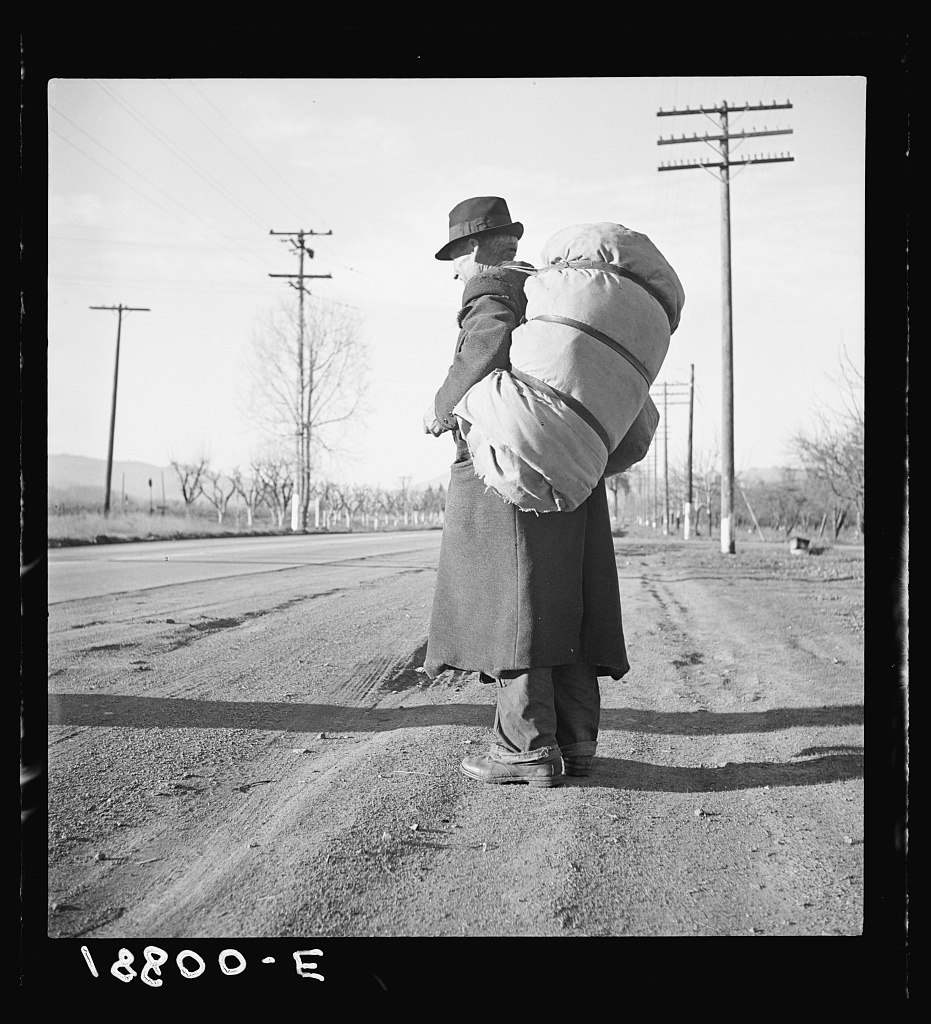
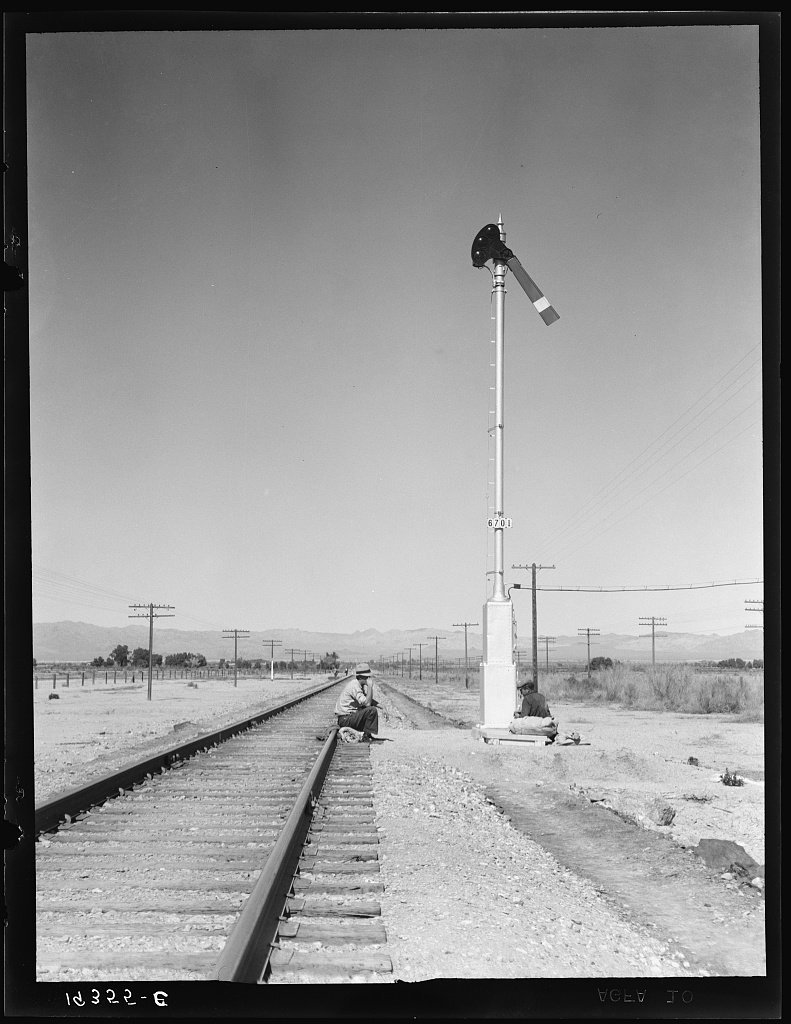
A bindle was a bedroll or bundle—blanket, spare clothes, maybe a razor and tin—rolled and often slung or carried. The word tracks into print with Josiah Flynt (1900) and Jack London’s road slang; the OED and glossary treat it as “bundle,” not only the cartoon stick-and-kerchief. Dorothea Lange’s Napa Valley captions called long-career migratory workers bindle-stiffs: men who walked mines, lumber, and farms with their gear on their backs. The object was portable shelter and identity at once—proof you still meant to sleep somewhere and move again.
Tin-can cookery and the shared pot
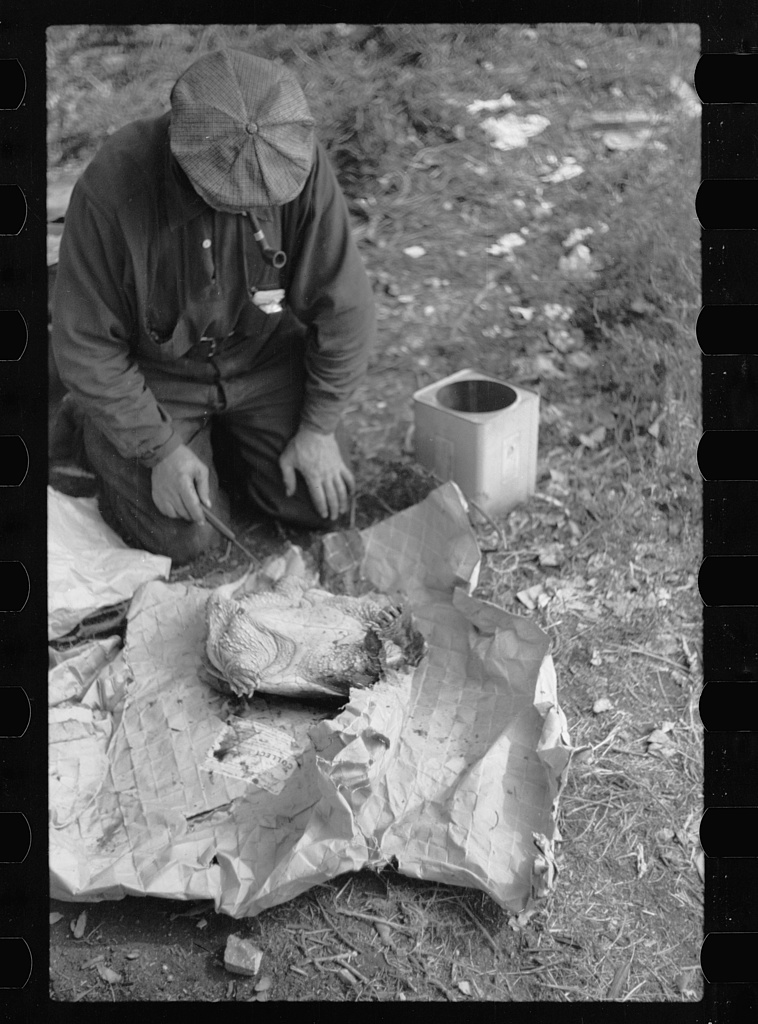
Jungles cooked with what they had: coffee cans and lard pails as pots, a shared stew later nicknamed mulligan, clothes boiled in the same fire logic. Nels Anderson’s Chicago fieldwork treated camp cookery as etiquette as much as nutrition—clean pots, shared surplus, expulsion for theft from the fire. John Vachon’s Minneapolis jungle plates (September 1939) show improvisation at the edge of the Gateway stem: protein from what the camp could catch, tins in the frame, no postcard romance required. Pair this section with Jungle camp & mulligan for etiquette; this room keeps the vessel in focus.
Hobo nickels (pocket craft)
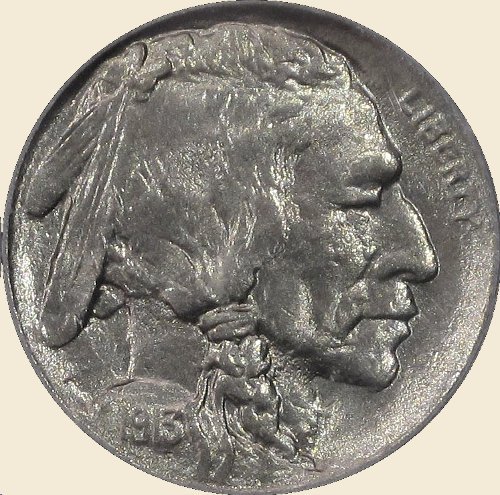
After 1913, Fraser’s Buffalo nickel gave carvers a soft copper-nickel planchet and a large male profile—cheap face value, room for a new hat, beard, and collar. Migratory workers and others carved for trade, gifts, and practice; collectors later labeled the results “hobo nickels.” This room shows the blank—the circulating coin before the knife. For carved examples, Bert and Bo biographies, and attribution caveats, continue in Art and trade.
Chalk, paint, and the moniker mark
What riders left most often on steel and tanks was not a tourist pictogram chart—it was a moniker: a road name, often with date and direction of travel. Chalk, grease pencil, and paint were the tools; water tanks and car sides were the pages. Josiah Flynt and Nels Anderson rejected the idea of a universal secret sign language; the Historic Graffiti Society’s field work finds monikers in abundance and tourist cats-and-triangles almost never. See Signs and symbols for the folklore case and Moniker wall for the names themselves. The object here is the marking kit in principle: portable, cheap, and aimed at other riders, not at postcard buyers.
Why objects belong in the story
Bindle, can, nickel, and chalk make the road tactile without turning the museum into a how-to. They also link wings: work circuits explain why gear stayed light; Hobohemia sold flops when the bindle could rest; Britt still ladles mulligan as heritage performance. If you leave wanting a book or a commemorative print from the museum’s small shop, treat that as optional souvenir—never as a substitute for the LOC plates and memoirs cited here.
Optional: Museum shop (books and commemoratives). Primary path: Sources · Art and trade · Jungles.