
Wing 4 · Room 4 of 4 · Movements and Hard Times
Movements and Hard Times
CCC & New Deal off-ramps
Federal work and relief programs that pulled some riders off American freights—and the eligibility rules that left many unattached travelers in the jungle. History only; no boarding advice.
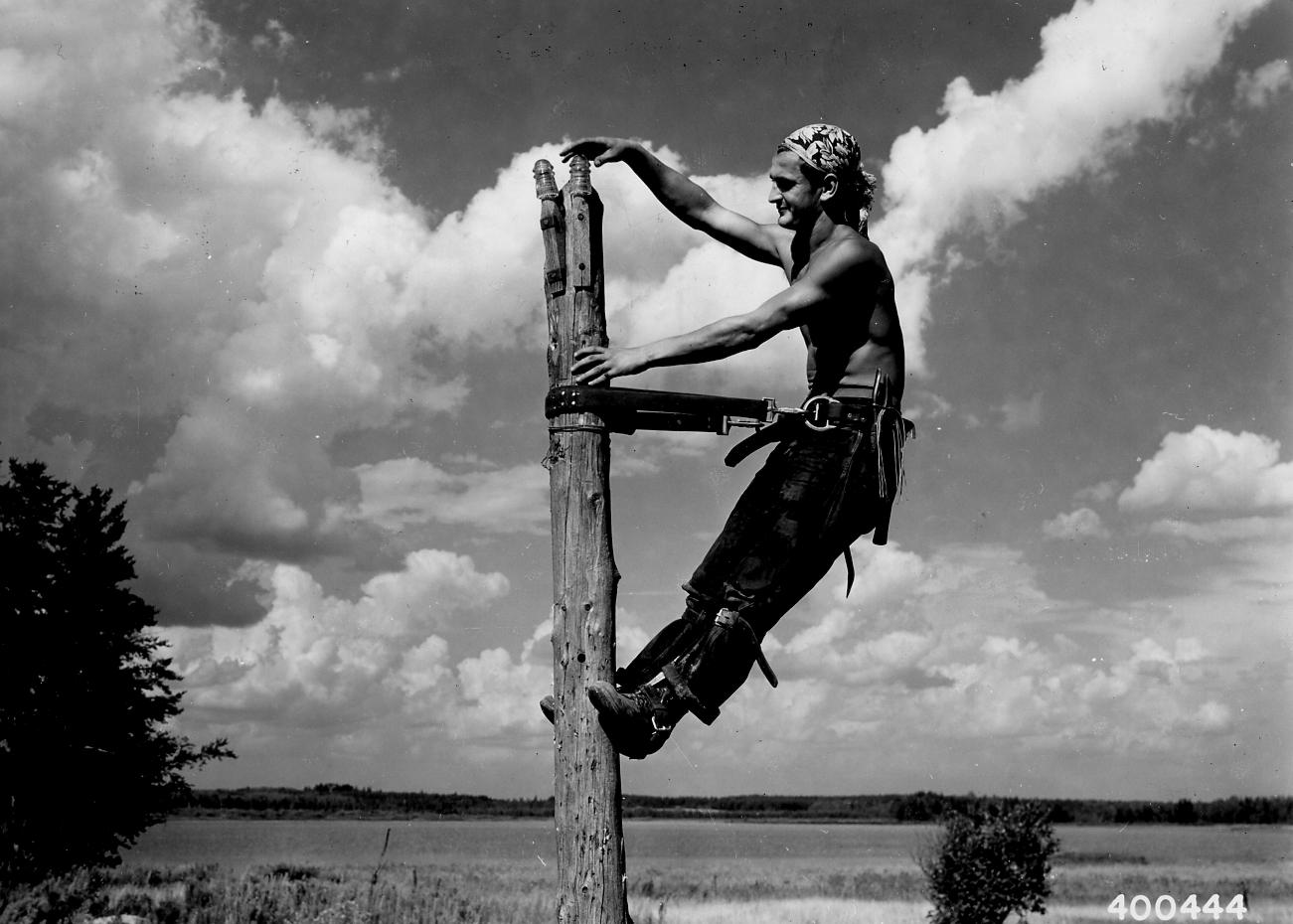

By 1933 the freight road was carrying not only seasonal harvest hands but a surge of Depression migrants—including teenagers—who had little claim on local relief. The New Deal did not “solve” the road; it built parallel tracks: conservation camps, short-lived transient shelters, student work-aid, and later WPA payrolls. This room stays with documented federal programs in the United States, their rules, and their limits.
Civilian Conservation Corps (1933–1942)
Congress authorized Emergency Conservation Work on March 31, 1933 (Public Law 73-5); the Civilian Conservation Corps became the lasting name for camps that enrolled unmarried young men—generally ages eighteen to twenty-five at the start, later adjusted—for renewable six-month terms of forest, park, and erosion work under War Department / Labor / Interior / Agriculture cooperation. National Archives and National Park Service CCC administrative histories summarize the structure: enrollees received food, shelter, clothing, and about thirty dollars a month, with most of the cash (commonly twenty-five dollars) allotted to needy dependents on relief. Selection ran through local relief agencies and required a household that could be named on paper.
That allotment design was an off-ramp and a filter. Unattached homeless transients who could not name a family on relief were often excluded by design—the Corps was built to support dependent households as much as to employ youth. Age caps, marital status rules, and local selecting agents further shaped who got in. Black enrollment was real but uneven; some camps and districts practiced segregation or limited quotas in ways that varied by region and year. Women were outside CCC enrollment by statute and practice; their New Deal pathways ran elsewhere (NYA, local relief, private charity).
Memoirs collected for projects such as Riding the Rails and the museum’s boxcar kids room record both gratitude for CCC meals and “social compost” and the frustration of riders who never qualified—or who left camp and returned to freights. Treat “the CCC ended hoboing” as legend: Corps capacity never matched rider counts, eligibility shut many out, and harvest stems continued beside the camps.
Federal Transient Service (1933–1935)
Local relief often required a year of state residency before aid would open. The Federal Emergency Relief Administration’s Transient Division—commonly called the Federal Transient Service (1933–1935)—funded shelters and camps specifically for people who had lived less than twelve months where they applied. Food, a bed, registration, and sometimes work were on offer. FERA/Transient Division summaries and period photographs (Library of Congress / DPLA holdings cited on the Great Depression room) show federal infrastructure aimed at nonresidents: the same people jungles and stems already knew.
Eligibility was national in theory and local in practice. Towns feared nonresidents would take scarce jobs or drain scarce aid; many states were slow to join even when Washington paid. Intake ended in 1935 as New Deal policy shifted from direct relief toward work programs such as the WPA. For riders, the Service proved that “transient” had become an official category—and that a bed with paperwork still left many men in the jungle when camps filled, closed, or refused them. Pair this paragraph with the Depression room’s residency-rule object focus; neither page teaches anyone how to seek modern shelter by trespass.
National Youth Administration & WPA
The National Youth Administration, created by Executive Order 7086 on June 26, 1935, inside the Works Progress Administration, offered part-time work for needy students and work-training for unemployed youth outside CCC camps. The broader WPA put millions of adults on work-relief projects. Together with the CCC, these programs gave some people an alternative to freights—if they could navigate residency, age, gender, race, and paperwork. Women were largely outside CCC enrollment by design; NYA and local relief were more relevant pathways for young women, still uneven and under-documented in freight memoirs.
What changed on the road—and what did not
- Some young men left jungles for camps and later remembered steady meals and money home.
- Many riders remained ineligible, unwilling to return for a signature, or shut out by local agents.
- Harvest circuits and main-stem missions continued alongside New Deal payrolls.
- By World War II, military service and war industry—not the CCC alone—drained the Depression-generation road.
Read next: The Great Depression · The boxcar kids · Then and now.
Sources & further reading
- Emergency Conservation Work Act / CCC administrative histories (National Archives; National Park Service CCC histories).
- FERA Transient Division summaries; Library of Congress / DPLA transient-camp photographs cited on the Depression room.
- Executive Order 7086 (NYA, June 26, 1935).
- Oral histories in Riding the Rails and related citations on boxcar kids and the Reading Room.
This room describes historical federal programs. It does not advise boarding trains, entering yards, or seeking contemporary camp enrollment. See Sources.