
Eighteen-year-old Jack London rides with Kelly’s Industrial Army in 1894, then keeps freighthopping—turning the road into The Road (1907), still one of the clearest primary sources we have.
The Road wing mapped how people moved and worked. This wing asks who they were. Some names entered the archive as writers and organizers; others as composites or legends. This chapter favors verified freighthopping, labels fiction as fiction, and ends where most of the road always was: with the anonymous majority. Memoirs already opened elsewhere—Jim Tully in Life on the rails, Harry Partch in Music and literature—appear here only as cross-links, so each room keeps its own depth.
Jack London and the Primary Record
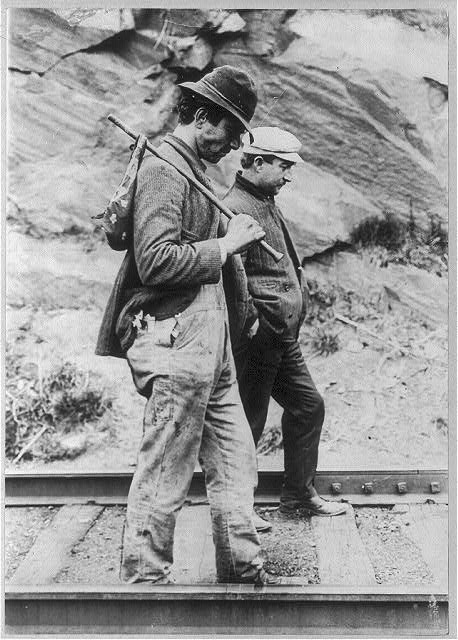
In 1894, during the depression that followed the Panic of 1893, London rode with Charles T. Kelly’s Industrial Army of the unemployed—one of the western contingents inspired by Coxey’s march on Washington—and then continued freighthopping across the West and Midwest. His tramp diary and essays became The Road (1907), public domain via Project Gutenberg (#14658). He records blind-baggage rides, road-kids and gay-cats, the slang of bindle-stiffs and profesh, and the fear of bulls who policed the right-of-way.
A midwestern arrest for vagrancy sent him to the Erie County Penitentiary for thirty days—chapters he titled “Pinched” and “The Pen,” which he later called a place of “unprintable horrors.” The book is dedicated “To Josiah Flynt—The Real Thing, Blowed in the Glass,” signaling a debt to tramp ethnography rather than to parlor romance. London’s voice is literary and self-mythologizing, yet it remains one of the sharpest first-person American accounts of how a young rider learned the yards. Pair him with the Road-wing chapters on Origins and Life on the rails, where Kelly’s Army and freight practice sit in broader context.
Showmen, Composites, and Careful Citations
Leon Ray Livingston—“A-No. 1”—published popular books that mixed experience with showmanship and helped fix the public image of the hobo, including sign charts historians now treat skeptically (see Signs and symbols). A 1908 New York Times dispatch identified him as Ray Livingston of Cambridge Springs, Pennsylvania. He signed fences, freights, and stations; he also complained of imitators who stole the moniker. He remains essential to folklore and newspaper coverage, not a neutral ethnographer. The Moniker wall keeps his road name in that careful frame.
Sister of the Road (1937) by Ben Reitman was presented as the autobiography of Boxcar Bertha. Scholarship identifies Bertha as a composite. Martin Scorsese’s 1972 film adapted the fictionalized tale. Women did ride; this book is literature, and the next room—Women on the rails—takes that problem up in detail with named memoirs such as Ethel Lynn’s.
Woody Guthrie rode and walked the Depression migrant world—“Hard Travelin’,” “This Land Is Your Land.” Better described as Dust Bowl migrant and radical songwriter than career hobo, yet inseparable from how Americans remember the rails; the Music and literature room carries his ballads at length. Louis L’Amour’s official biography states he “hoboed across the country, hopping freight trains.” William O. Douglas’s memoir Go East, Young Man recounts riding freights east toward law school. We cite those self-accounts and drop unverified celebrity lore.
Two verified road writers already deepened elsewhere belong on this roll-call only by pointer. Jim Tully (1886–1947)—Ohio-born chain-factory hand, circus worker, and Midwestern rider—published Beggars of Life in 1924; Hollywood filmed a version in 1928. His hard-edged freight narrative and the “fare” paid to train crews live in Life on the rails. Harry Partch (1901–1974) spent roughly 1935–43 on and off as a transient and turned jungles, hitchhiker graffiti, and a San Francisco–Chicago freight trip into the speech-music of Bitter Music, Barstow, and U.S. Highball—told in full under Music and literature. Naming them here without retelling keeps the museum’s rooms from competing for the same paragraphs.
Nels Anderson and the Ethnographer Who Had Ridden
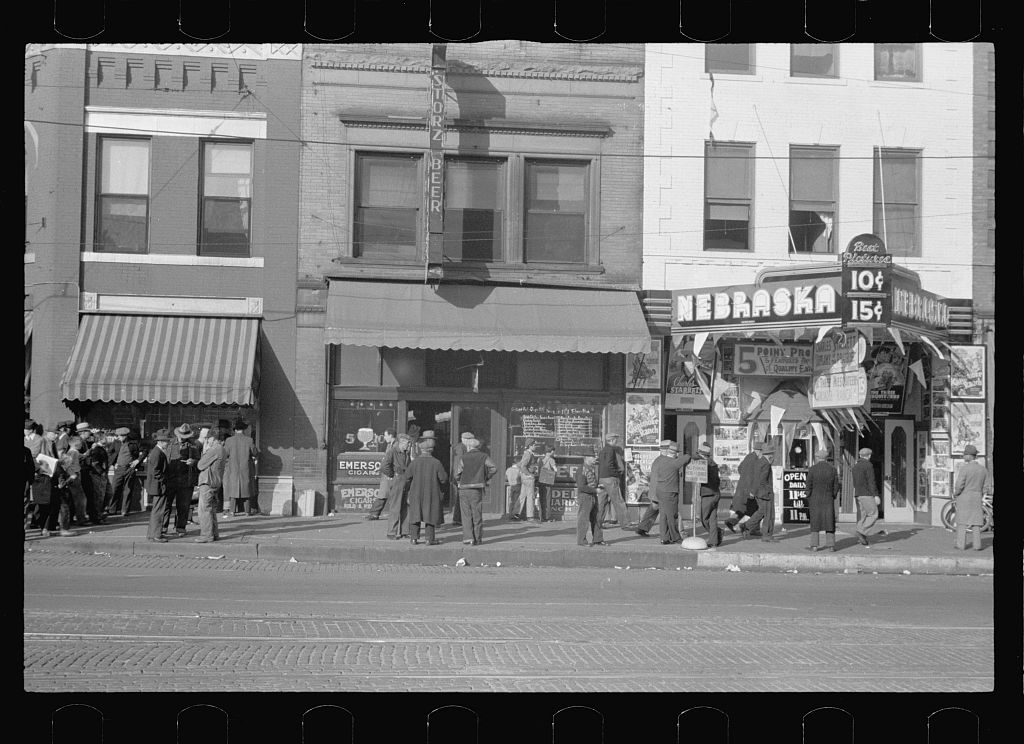
Nels Anderson (1889–1986) enters this room as a different kind of notable: a University of Chicago sociology student who had already shared the life of the migratory casual worker “on the road” and at work before he mapped Chicago’s Hobohemia. Selected for the study because of that experience, he surveyed hundreds of migrants in 1921 and began intensive fieldwork on West Madison Street in early 1922—life histories, observation, lodging in a workingman’s hotel in the district he described. The Hobo: The Sociology of the Homeless Man (1923) became the first monograph in the University of Chicago Sociological Series and remains foundational for how later writers distinguish hobo, tramp, and bum (see Hobo, tramp, and bum). Anderson is not a celebrity tramp; he is the scholar who made the jungle and the main stem legible without turning them into postcard romance.
W. H. Davies — The Autobiography of a Super-Tramp (1908)
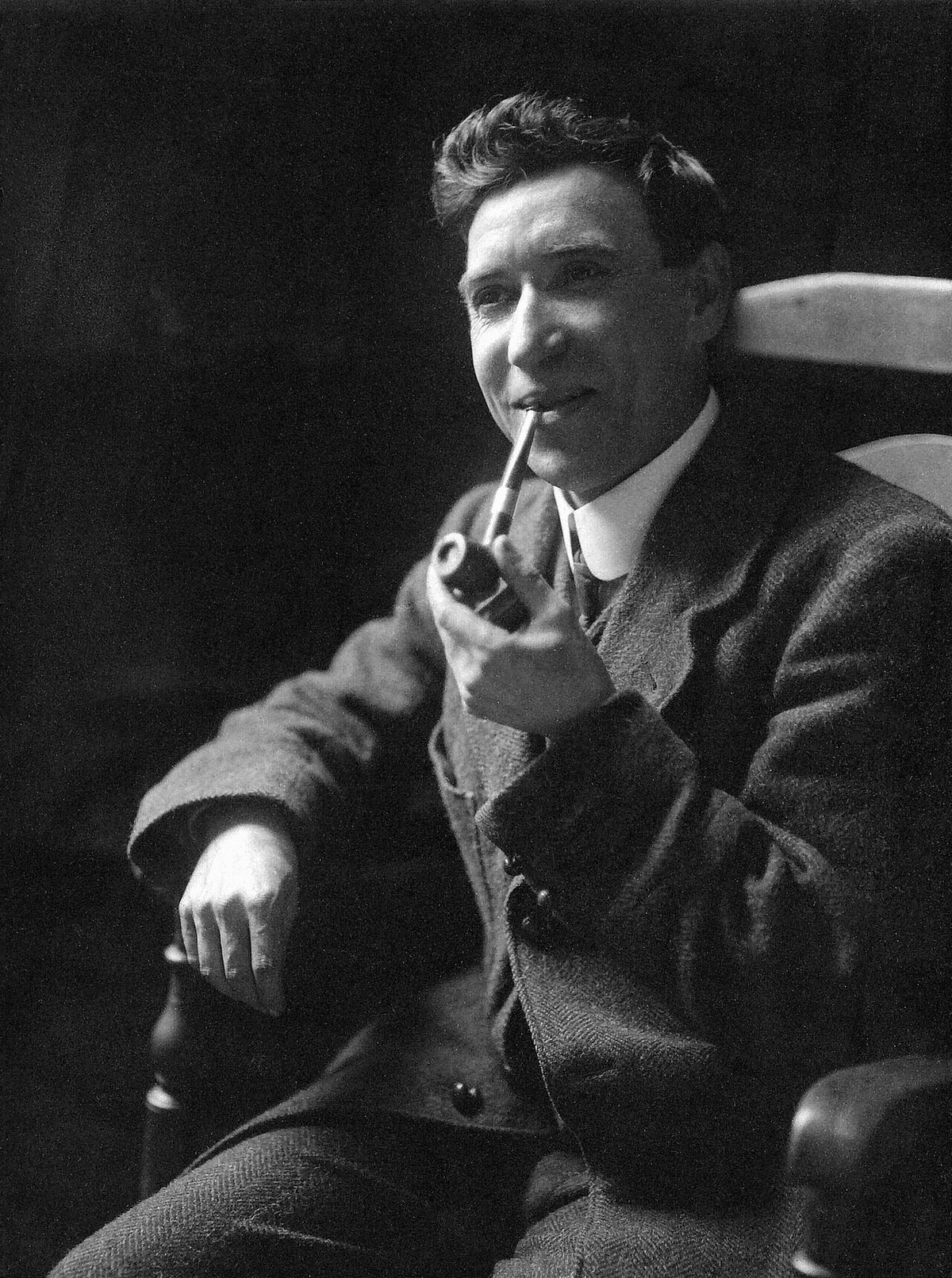
Welsh poet William Henry Davies (1871–1940) spent much of the 1890s on the road in the United States and Canada—begging, casual labor, cattle-boat crossings, and riding freights—before publishing The Autobiography of a Super-Tramp in 1908 (with a preface by George Bernard Shaw). In March 1899, while heading toward the Klondike, he fell under a train at Renfrew, Ontario; his right leg was crushed and later amputated below the knee. The memoir is a primary window onto late-nineteenth-century tramp life on North American rails and is available via Project Gutenberg. Davies’s British ear for American yards complements London’s California swagger and Tully’s Midwestern grit without replacing either.

Chris McCandless (“Alexander Supertramp”) and Into the Wild
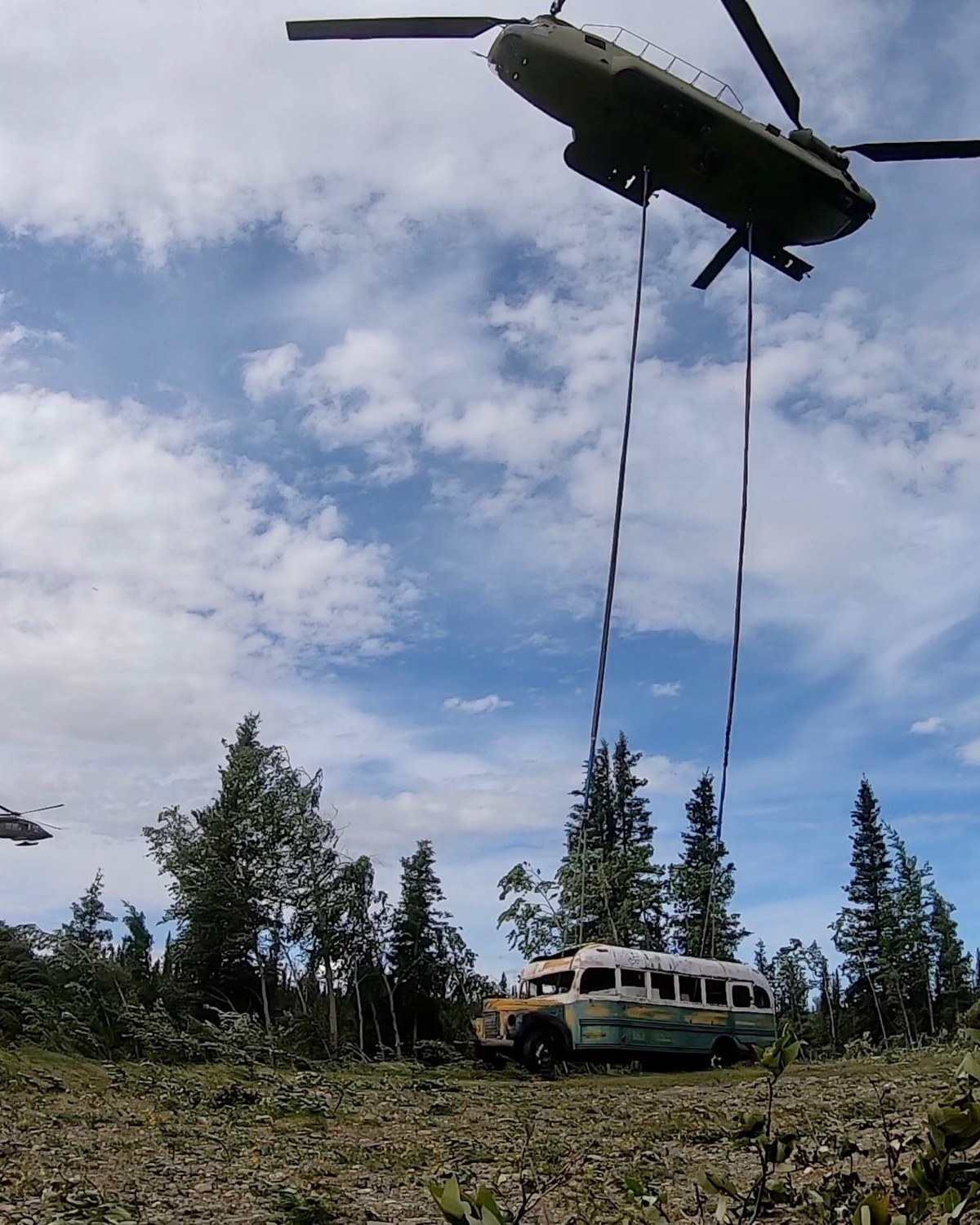
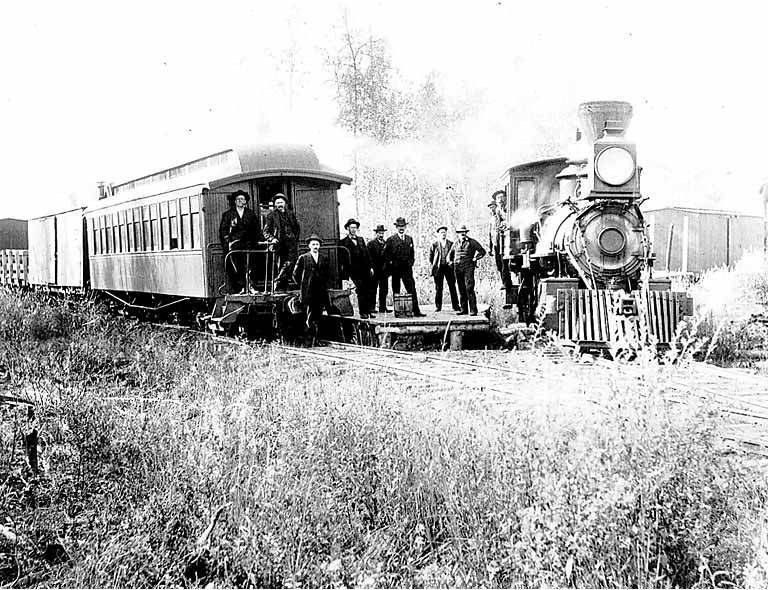
Christopher Johnson McCandless (1968–1992) hitchhiked and rode freights across the West after college, adopting the road name Alexander Supertramp—a nod to Davies’s Super-Tramp. In April 1992 he hitchhiked to Alaska’s Stampede Trail with scant supplies; he sheltered in an abandoned bus and died there in August 1992 (body found 6 September). Jon Krakauer’s Into the Wild (1996), expanded from a 1993 Outside article, made the story widely known. We treat McCandless as a later echo of the tramp tradition—hitchhiking, freights, a literary moniker—not as a classic harvest-circuit hobo. We do not show copyrighted portraits of McCandless; the photographs below are public-domain Alaska trail and railroad images for place context only.


How We Choose Names—and the Anonymous Majority
A name enters this room when freighthopping is attested in a memoir, official biography, or solid secondary history. London passes. Davies’s Super-Tramp passes. Anderson’s road experience, attested in the preface to The Hobo, passes as ethnographer-participant. L’Amour’s official site passes. Douglas’s memoir passes. Tully and Partch pass—and are told where their books and music belong. McCandless enters via Krakauer’s documented reporting as a later echo, not a classic hobo. Composite Bertha fails as biography. Unsourced “star was a hobo” lists fail.
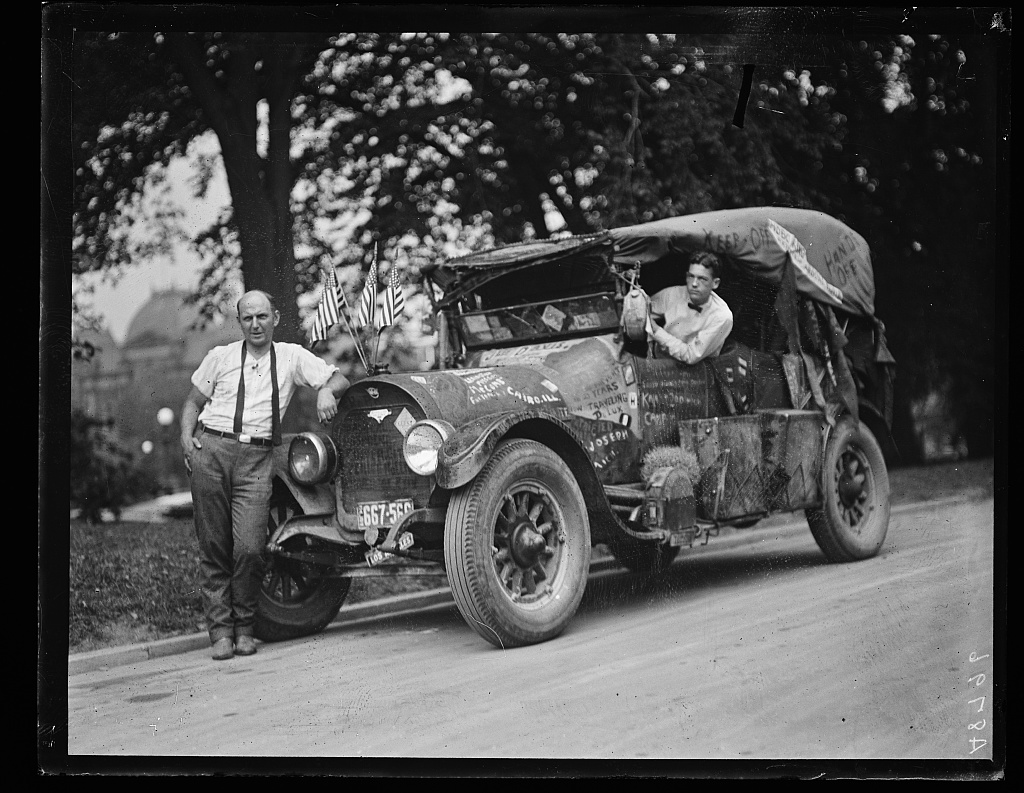
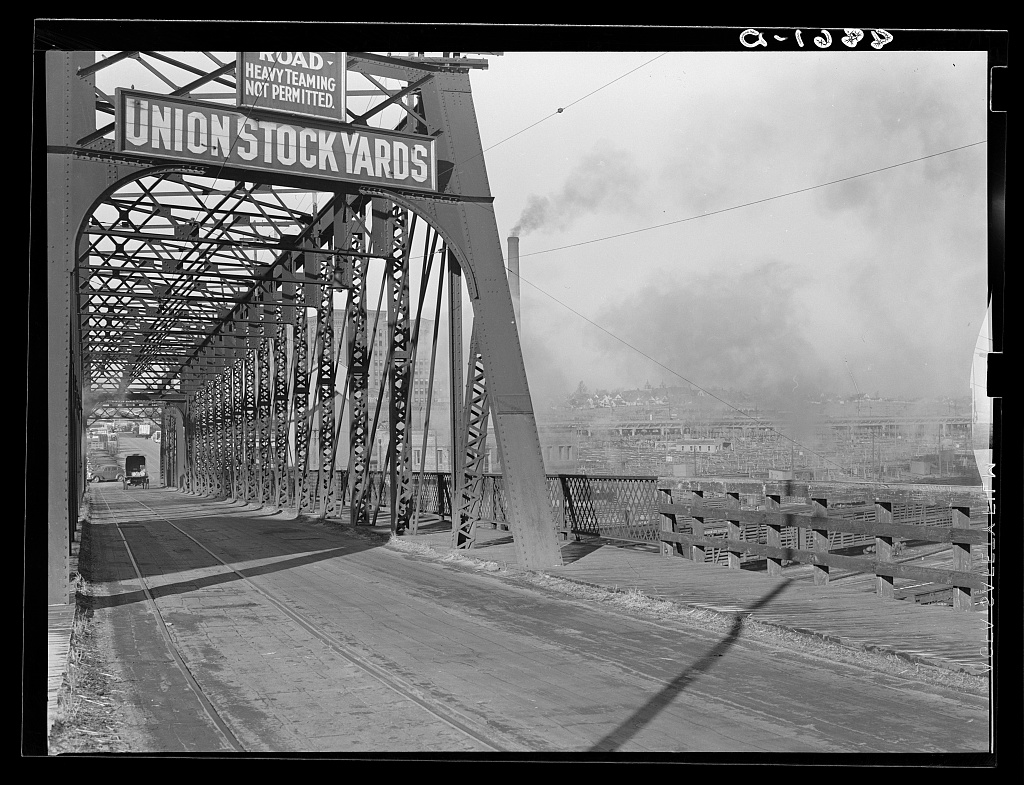
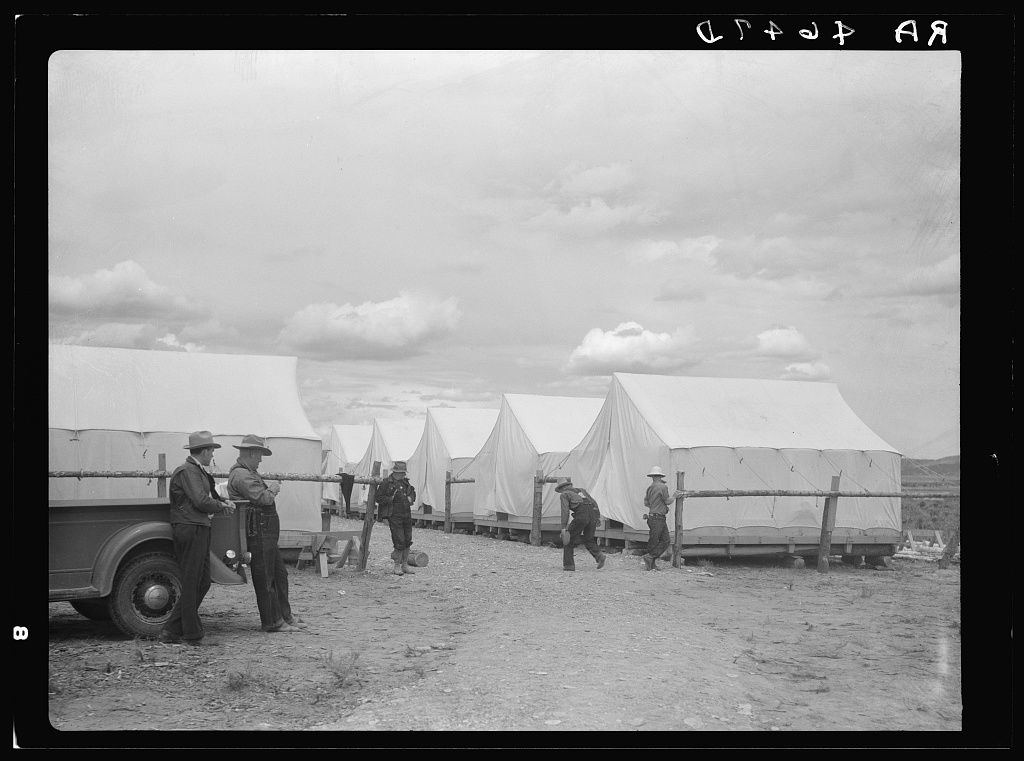
Most riders remain unnamed. Notable figures are doorways into a crowd, not the crowd itself. For every London there were thousands who left only a moniker or a caption: the Perryton “old time professional migratory laborer,” the Calipatria twenty-five-year-old, the Kingsbury tank-car workers. FSA photographers such as John Vachon and Dorothea Lange framed those subjects as labor history, not as celebrities. These FSA subjects are notable in the museum sense even without famous names—faces of the harvest circuit, the jungle fire, and the family outfit on U.S. 99.
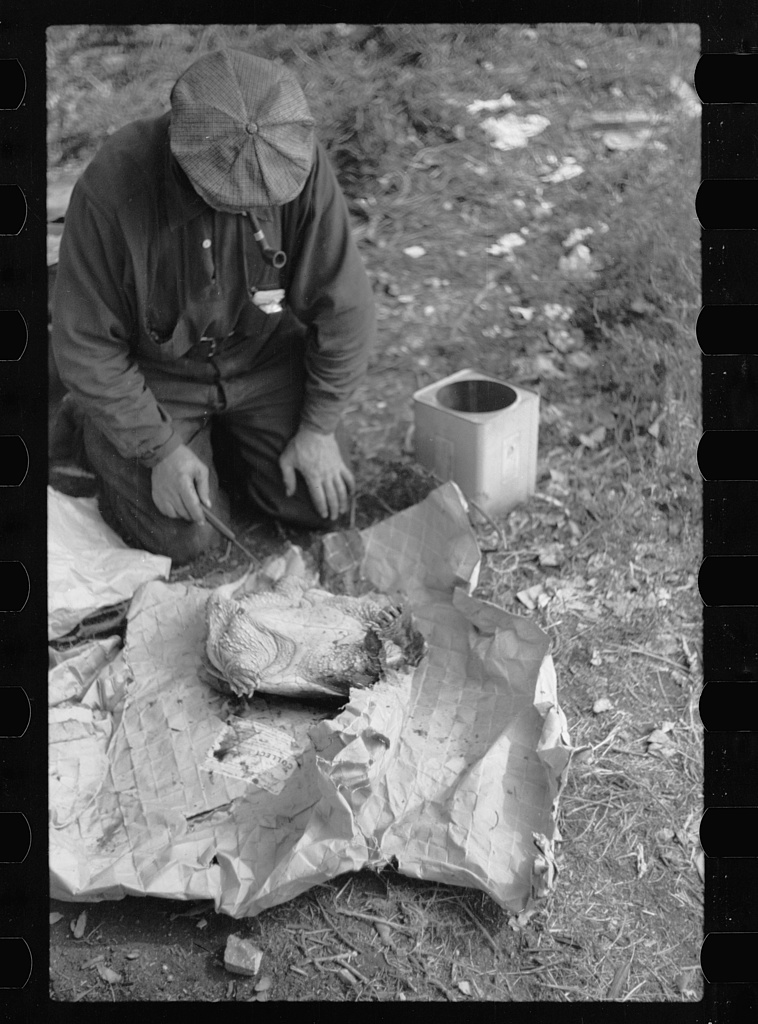
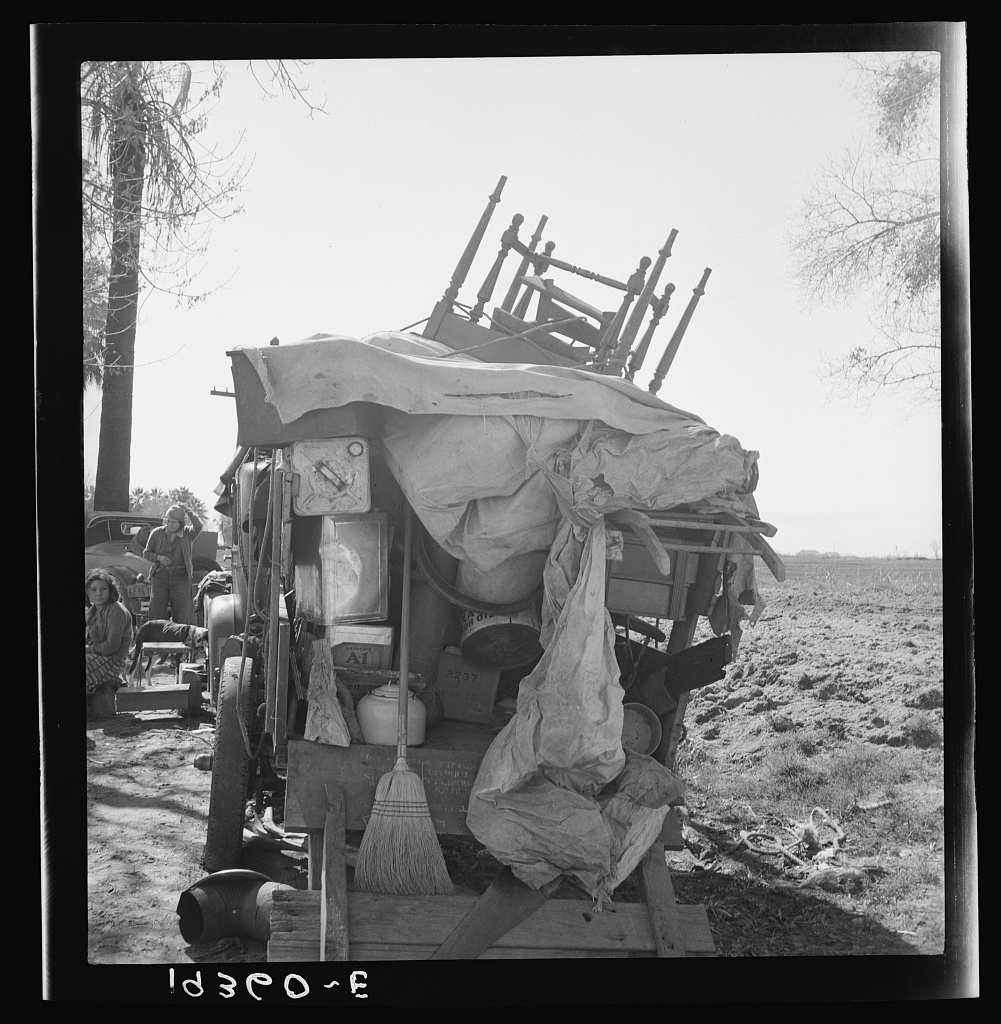
The next room opens a part of that crowd the famous books often erased: women who rode for work, health, love, and survival.
See Sources for works and archives cited in this room.