
In Chicago, a hall offers lectures on hygiene, vagrancy law, and how to find work—Hobo College, where mutual aid put up a chalkboard.
Wobblies organized on freights. Another tradition built classrooms on the main stem. Self-help took institutional form: James Eads How’s International Brotherhood Welfare Association, Ben Reitman’s Chicago college, the monthly Hobo News, and winter halls where migratory workers heard economics and law beside first aid. This chapter keeps that work distinct from Reitman’s later composite “Boxcar Bertha” book—and beside the Ethical code room’s claim that hobos were self-ruled working men.
The Millionaire Who Rode
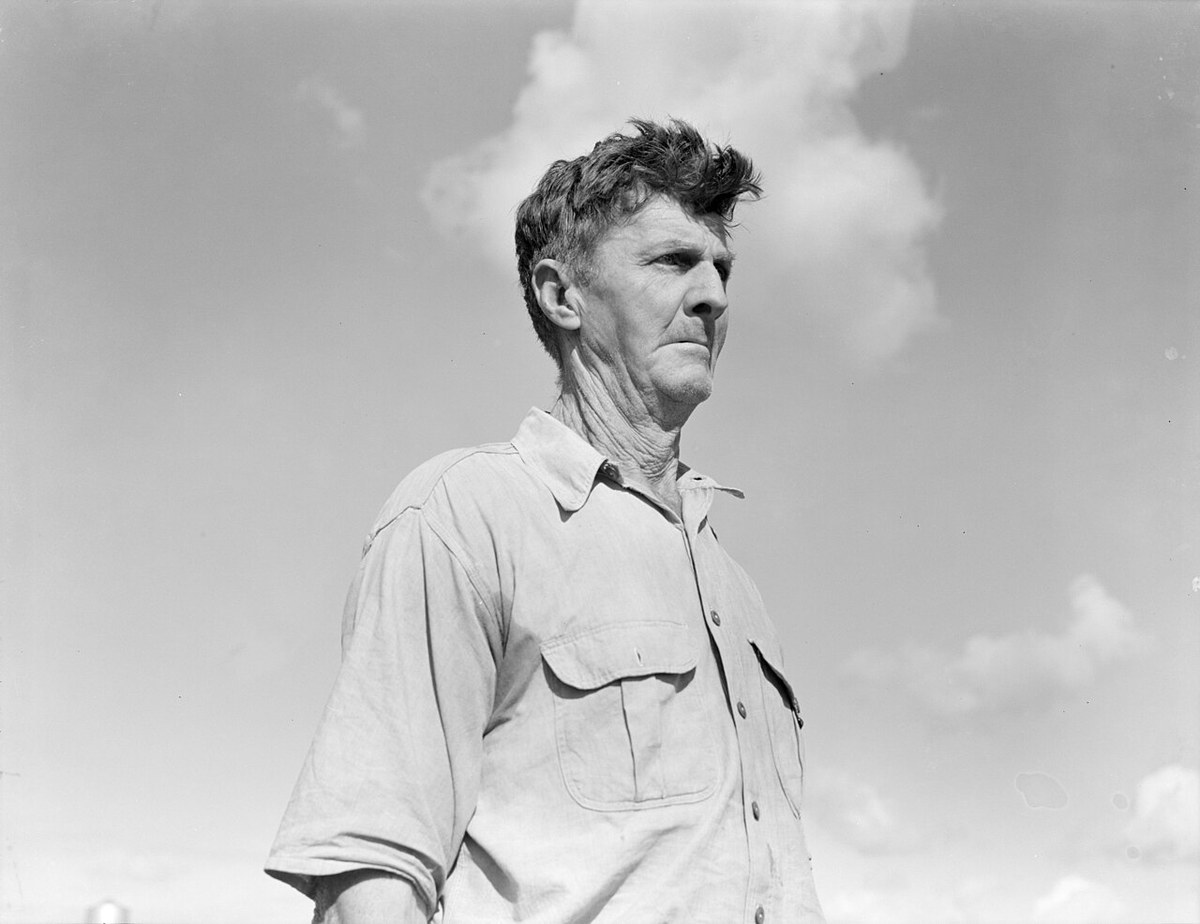
James Eads How (1874–1930) was heir to a St. Louis fortune and grandson of James B. Eads, the engineer of the Mississippi bridge that still bears the family name. Newspapers nicknamed him the “Millionaire Hobo” or “Millionaire Tramp” because he rejected palace living, rode freights, took temporary labor, and spent inheritance on mutual aid rather than on himself. Around 1905–1906 he founded and financed the International Brotherhood Welfare Association (IBWA)—a brotherhood for migratory workers headquartered for years in Cincinnati and St. Louis—with locals reported in roughly twenty cities. How’s answer to “Whose money is this?” was blunt: he had not earned the fortune; precarious workers had a better claim on it. The press mocked failed halls and eccentric idealism; he kept restarting them.
IBWA, Hobo News, and a Network of Halls
Through the IBWA, How sponsored Hobo Colleges, conventions, and journalism. The association’s paper, Hobo News (published roughly 1915–1929 from St. Louis and Cincinnati), sold for nickels on the street—“Of the hoboes, by the hoboes and for the hoboes”—carrying poems, travel notes, labor news, and reader submissions. Historians of street papers treat it as an ancestor of later vendor papers. Circulation claims peak near twenty thousand around 1919; treat round numbers as order-of-magnitude. The colleges themselves were usually rented buildings in a city’s hobo district: blankets, a washroom, a kitchen for mulligan, and scheduled lecture nights—especially in winter, when harvest and construction jobs thinned and men concentrated in town. How spent years reopening houses that failed. New York’s Bowery college opened in June 1919 at 202 Bowery under How’s direction, offering sociology, industrial law, public speaking, and a small employment agency for discharged soldiers and “inveterate hoboes,” outgrowth of earlier Chicago and Cincinnati experiments.
Chicago’s College on the Main Stem
Chicago was “Big Chi” to the road—the transfer point toward harvests and timber. West Madison Street, with its missions, cheap eateries, employment agencies, and flop hotels, was Hobohemia’s thoroughfare; riders called it the main stem. There, in 1908, Dr. Ben L. Reitman—physician, reformer, and anarchist organizer—founded the city’s Hobo College (he had attended IBWA meetings with How the year before). The Encyclopedia of Chicago credits nearly three decades of gatherings: men of the road swapping stories and hearing lectures from philosophy and politics to personal hygiene and vagrancy law. When Reitman traveled, figures such as Irwin St. John Tucker and Episcopal minister Michael C. Walsh helped keep the hall open. One year Chicago’s college debated University of Chicago students; secondary sources record the encounter without always settling a winner—preserve the crossing of the class line, not a trophy claim.
Curriculum lists from IBWA and press coverage cluster around usable knowledge: social science and economics, industrial and vagrancy law, public speaking, English composition and literature, job searching, medicine and hygiene (including venereal disease), even religion and philosophy. Lecturers mixed street orators with academics; How himself spoke on the eight-hour day, pensions, and unemployment. A 1917 Chicago Daily News visit (quoted in later scholarship) found a library, meals at cost, a piano, and an office where labor radicals and visitors discussed the labor question. Hundreds “graduated” in some years—164 in 1926 by one IBWA tally—meaning they finished a winter’s course of lectures more than a diploma mill.

Nels Anderson’s Main Stem
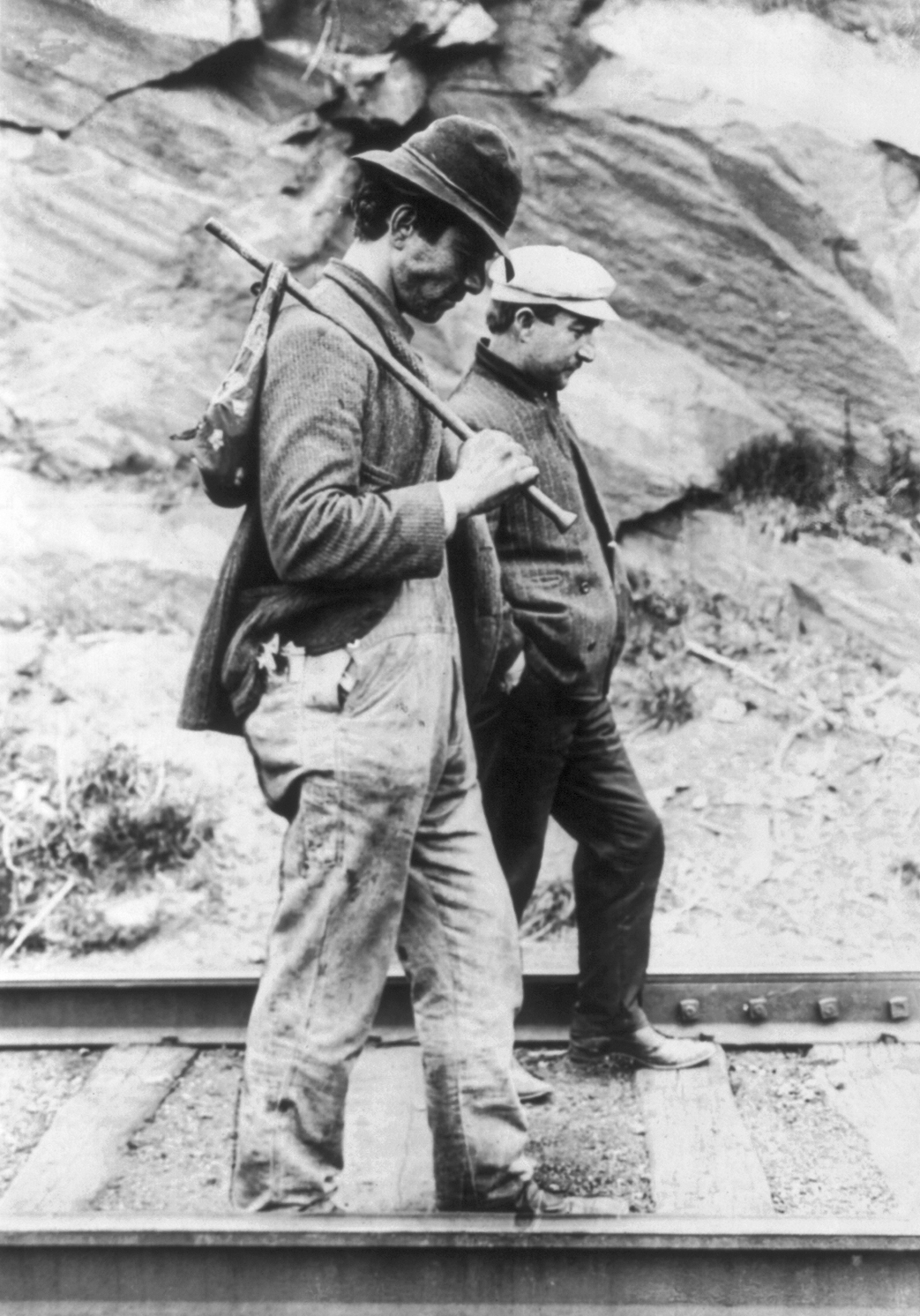
In 1922–23 University of Chicago graduate student Nels Anderson lived in Hobohemia for a Council of Social Agencies study, aided by Reitman and others. His book The Hobo: The Sociology of the Homeless Man (University of Chicago Press, 1923) mapped West Madison as the Rialto of the migratory worker, documented jungle etiquette and lodging-house life, and treated the IBWA and colleges as institutions inside that ecology—not as footnotes. Anderson remains the key scholarly companion to this room: when he describes the main stem’s agencies and halls, he is describing the same world Reitman’s chalkboard tried to civilize. Pair his ethnography with the Ethical code chapter’s jungle rules; both insist the road had norms and teachers, not only myths.
Beside the IWW—Not the Same Thing
The IBWA was often called the second-largest migratory-worker organization after the Industrial Workers of the World, but it was not a Wobbly local. How and the IBWA favored education, cooperation, and campaigns against vagrancy law over sabotage and direct action; Hobo News sometimes criticized IWW militancy. The associations were separate yet overlapping: some support, failed IWW takeover attempts, and—after the 1917 government “Big Pinch” against the IWW—an inflow of Wobblies that radicalized parts of the IBWA and drew federal suspicion onto the milder brotherhood. A Migratory Workers Union launched in 1918 with How’s money was largely defunct by 1922; faction papers competed to speak for the road. Walk next door to the IWW and the rails room for freights as organizing space; keep this room for chalkboards and job desks. Both belonged to the same decade’s struggle over how migratory labor should speak for itself.
How’s Death and the Depression’s Turn
In July 1930 How collapsed in Cincinnati, reached friends and a lawyer, and died on July 22 of pneumonia worsened by malnutrition—still living the poverty he preached—at fifty-six. His will left almost his entire estate in trust for “workers of the world,” with token sums to relatives. Without his checkbook and restless touring, halls that already failed often stayed closed. The Great Depression—walked in this museum’s Depression room—then flooded freights with clerks, farm sons, and teenagers who had never planned to learn jungle rules. Federal transient programs, New Deal work, and later wartime labor demand remade the migrant problem How’s colleges had addressed with winter lectures and employment tips. Hobohemia did not vanish overnight, but the IBWA’s classroom model lost its patron and met a crisis larger than any rented hall.
Chalkboards and Self-Educated Working Men
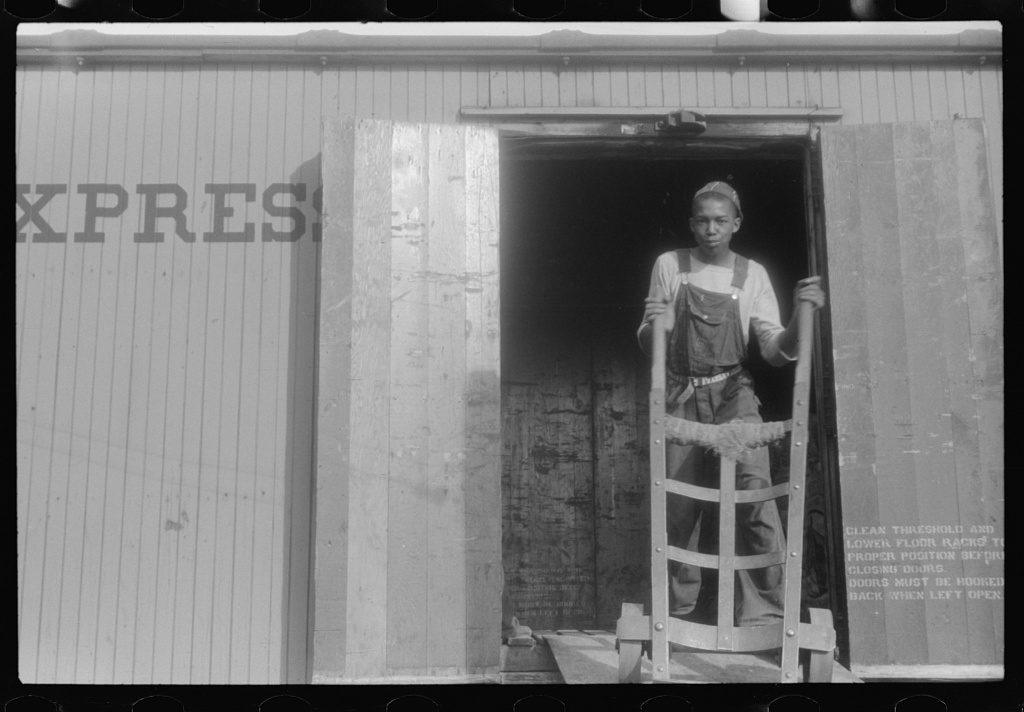
Hobo College matters because it treated the migratory worker as a student and citizen, not only as a police problem. Lectures on law and hygiene, debates with university students, a paper sold on the street, and How’s refusal to keep inheritance idle all argued what the Ethical code argued in other words: the hobo who sought work deserved dignity, mutual aid, and a voice. Preserve the college beside Britt’s ritual and the jungles: three architectures of care—chalkboard, parade permit, shared pot. That closes Movements and Hard Times. The last wing turns to Britt, Iowa—Tourist Union No. 63, the living convention, and how to keep history without encouraging illegal boarding.
See Sources for works and archives cited in this room.