Routes
The Railroad Network and the Hobo's Path
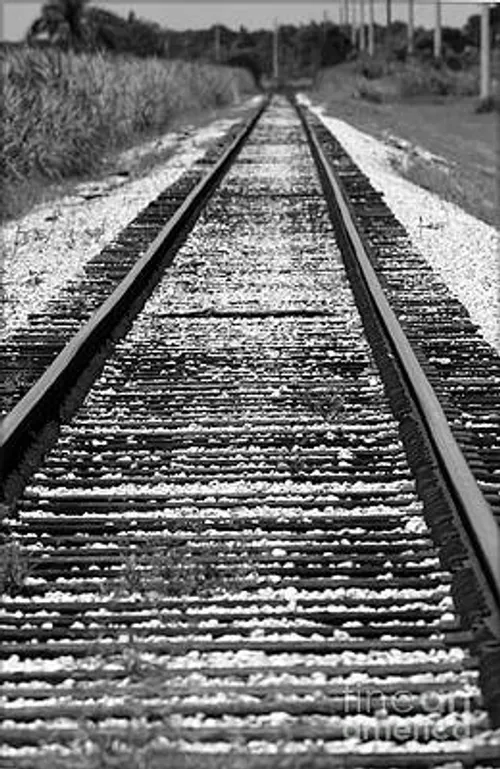
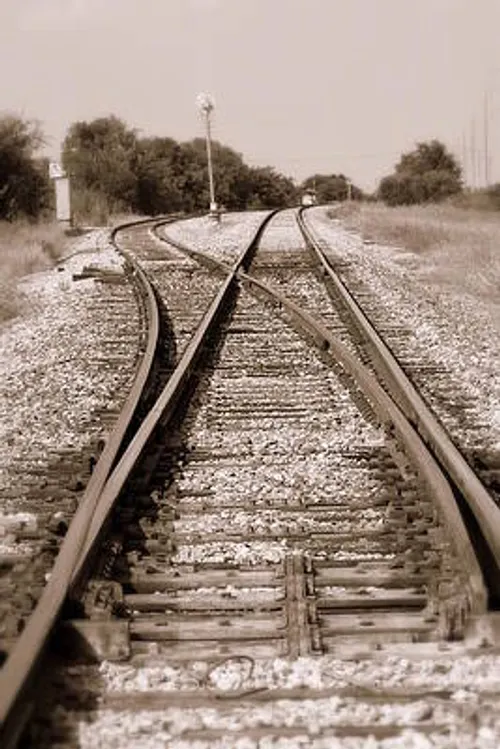
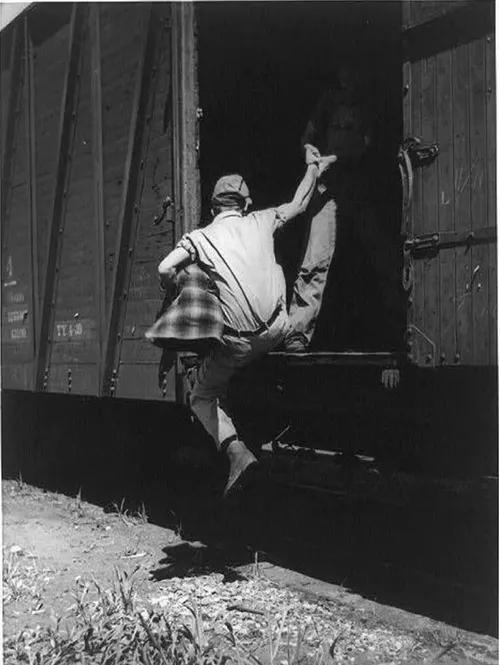
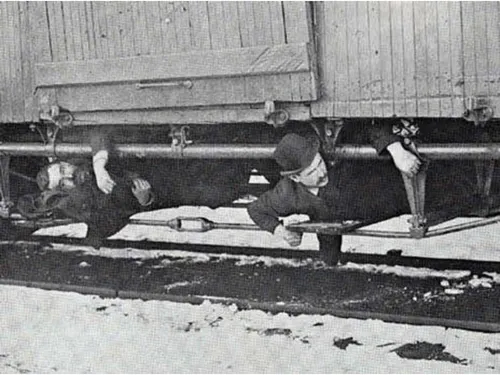
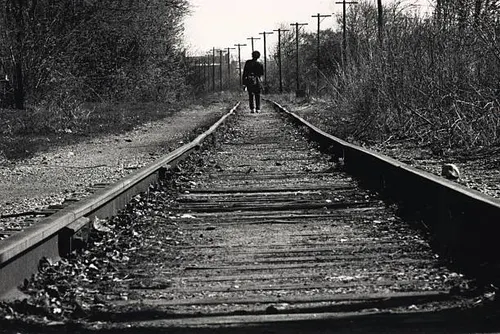
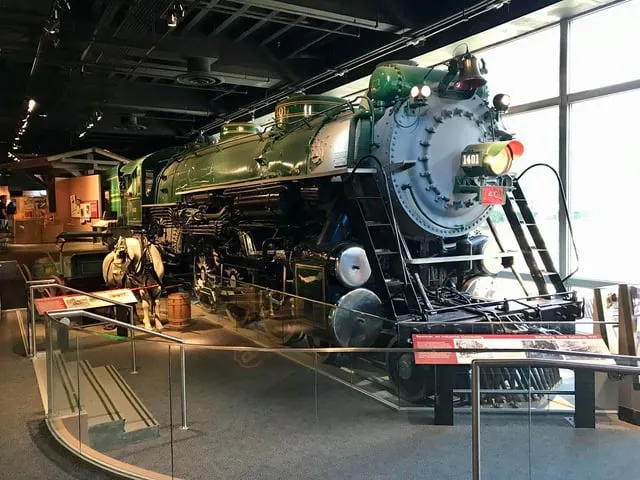
Steam locomotives like Southern Railway No. 1401 were the lifeline for hobos traveling across America.
Hobos didn't choose routes randomly. The rails were a network of opportunity and danger. Certain routes were known for work, others for brutal bulls. Some towns were safe, others deadly. Hobos shared this knowledge—scrawled on railroad underpasses, shared in camps, passed mouth-to-mouth through an invisible network.
To understand hobo culture is to understand the routes they traveled. The rails shaped their lives, determined their opportunities, and became the geography of their world.
The Harvest Route
The most traveled route by working hobos. It followed the harvest from south to north, providing seasonal employment in agriculture. A hobo could leave Texas in April and follow the wheat harvest all the way to Canada, working through August and returning south in autumn.
Texas (cotton, April-May) → Oklahoma (wheat, May-June) → Kansas (wheat, June-July) → Nebraska (corn, July-August) → Dakota (grain, August-September) → Canada (if going north) → Return south for winter
The harvest route was life for many hobos. Work was guaranteed (if you had the strength), pay came at the end, and you moved constantly. During the Depression, hundreds of thousands followed this route.
The Western Circuit
For those seeking mining, logging, and construction work, the Western Circuit was the destination. It followed ore strikes, timber operations, and railroad building. A hobo could find work in mines in Colorado, move to logging camps in Oregon, and end up building dams in California.
Denver (mining hub) → Colorado Mountains (silver/gold) → Utah (railroad construction) → Oregon (logging) → California (fruit, irrigation projects) → Back to Colorado
The Western Circuit required different skills than the harvest route—mining knowledge, timber work, heavy construction labor. The pay was better, the work was dangerous, and the mountains were unforgiving.
The Industrial Northeast
The Northeast held the most jobs but also the most danger. Steel mills in Pittsburgh and Cleveland, textile factories in New England, shipyards in Boston—cities that offered work but no safety, low pay, and brutal conditions. Hobos in the Northeast were often indistinguishable from the urban unemployed and homeless.
New York (port work, soup lines) → Philadelphia (factories) → Pittsburgh (steel mills) → Cleveland (steel, factories) → Boston (shipyards, textiles) → Back to New York
The Northeast route was for survival, not adventure. Jobs were available, but at what cost? Many hobos who went Northeast never left—they became part of the permanent unemployed class.
The California Circuit
California represented the dream. Fruit, crops, railroads, construction, and the promise of endless work and mild weather. During the Depression, hundreds of thousands headed to California only to find overcrowding, exploitation, and no jobs. It was the destination that broke hearts.
San Francisco (port, construction) → Central Valley (fruit harvest) → Los Angeles (agriculture, construction) → San Diego (military base, port) → Imperial Valley (winter crops) → Back to north
The California Circuit promised what it couldn't deliver. Thousands of Okies and Arkies followed it during the Depression, only to be treated as unwelcome invaders. The dream died in the migrant camps.
The River Routes
Before freight trains dominated, hobos traveled by river—hitching rides on steamboats and barges. The Mississippi, the Ohio, the Missouri—these rivers were highways. Even after rail took over, hobos followed rivers because rivers meant water, camps, and often ferry work.
Minneapolis (lumber mills) → St. Louis (river hub) → Cairo, Illinois (Mississippi junction) → Memphis (river towns) → New Orleans (port work)
River routes were less organized than rail routes but offered a different kind of community. River hobos had their own code, their own jungles, their own songs. They were a distinct subculture within hobo culture.