
Room 4 of 7 · The Road
A division yard at night: switch lamps, a special agent’s lantern, empty reefers waiting for ice. Somewhere in the dark a man decides whether the next empty is worth a broken ankle—or worse.
The Road was not only motion and stew. It was private property under steam, policed by railroad police and special agents—bulls—and measured in official casualty lists that counted unauthorized people on the right-of-way by the thousands. This room stays with yards, enforcement, and the bodily cost of that era. It does not teach boarding, routes, or how to evade police. For modern law and risk, see Then and now. For everyday freight practice and memoir, see Life on the rails.

What a yard was
A railroad yard was not scenery. It was a machine for sorting cars: receiving tracks, classification tracks, departure tracks, icing platforms for reefers, coaling and water for steam, caboose tracks, and the office where clerks and trainmasters kept the paper moving. Division points—Cheyenne, Altoona, Roseville, Proviso outside Chicago—concentrated power, crews, and special agents. Riders who talked about “making a train” were talking about reading that machine from the wrong side of the fence: which tracks held westbounds, which held scrap, which were watched.
Hump yards and gravity switches multiplied the danger even for employees. Cars rolled without engines; couplings slammed; ice and oil made footing false. Memoirs that linger on romance often skip the industrial noise: the same physics that sorted freight sorted limbs. This museum names that geography so visitors understand why yards appear again and again in arrest blotters and hospital wards—not so anyone can map a modern approach.
Bulls and special agents
Railroad police and special agents—bulls in road slang—were paid to keep unauthorized people off property and trains. Their lineage includes nineteenth-century railroad detective work and the Pinkerton tradition of industrial policing. Conductors and brakemen (“shacks” in road talk) also forced riders off; the bull was the specialist who cleared yards and rode with a warrant of company authority.
Some names hardened into jungle folklore. Jack London, writing of Union Pacific Cheyenne as a “horstile” town, blamed “one Jeff Carr (if I remember his name aright)” who sized up a hobo and struck without discussion. T. Jeff Carr is a documented Cheyenne lawman—Laramie County sheriff, city chief of police, U.S. marshal—whose reputation as a yard terror appears in London, in Jack Black’s later memoir, and in Clark C. Spence’s synthesis of western tramp history. Treat jungle dread as reputation layered on a real officer, not as a body count this museum can verify car by car.
Violence ran both ways in legend and sometimes in fact: riders feared clubs and pistols; crews feared robbery and sabotage scares, especially when newspapers linked tramps to strikes. The ethical code rooms and Britt’s later folklore preferred a workingman who left towns unharmed; yard practice did not always match the speech. What the archive supports is simpler: unauthorized presence on railroad property was treated as a police problem, and the tools were exclusion, arrest, and force.
The cost in bodies
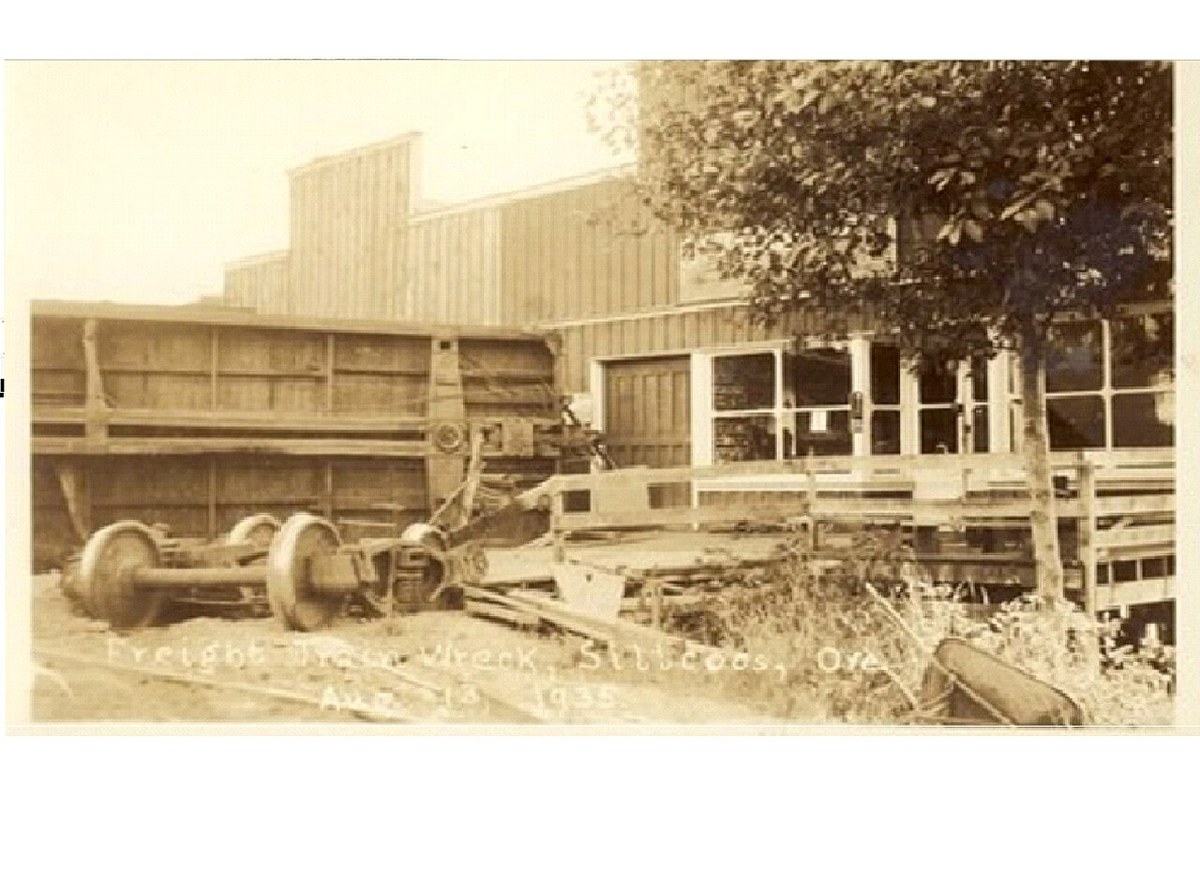
Wheels, weather, falls from blinds and rods, jack-rollers in dark yards, and forced “ditches” at speed left a trail of crushed feet, lost arms, and frozen dead. W. H. Davies’s North American tramp years ended with an amputation after a freight accident—the British poet’s Autobiography of a Super-Tramp (1908) makes the injury the hinge of the book, not a footnote. Jack London’s near-misses on blinds and rods, and Jim Tully’s Midwestern freights in Beggars of Life (1924), keep repeating the same unpaid risk: even when a harvest paid, the ride to it could collect first.
Railroad claim agents and hospital wards saw the aftermath. Period newspapers ran “hobo killed by train” fillers so often they became a genre. Those stories are evidence of frequency, not a census with clean categories.
What the official numbers measure
The Interstate Commerce Commission published railroad casualty series that economists and historians still reconstruct. Ian Savage, working from those trespasser series (persons on railroad property other than at grade crossings), notes that around 1905 trespasser fatalities numbered on the order of 4,650 in a single year—roughly ten times late-twentieth-century annual counts, in a smaller U.S. population. Clark C. Spence, synthesizing period reports of tramp and hobo deaths on the rails, cites about 32,276 killed in the twenty years after 1890.
Those figures are not a registry of self-identified hoboes. They mix riders, walkers on the right-of-way, intoxicated trespassers, suicides where recorded, and other unauthorized people; early reporting rules differed from today’s FRA categories. They remain proof that unauthorized presence on steam-era railroads killed by the thousands every year. Cite magnitude. Do not equate every death with freighthopping, and do not invert the lesson into a challenge.
Yards, towns, and “horstile” reputations
Some division towns earned lasting bad names in jungle talk: heavy special-agent presence, quick arrests, or crews known for dumping riders far from water. Others were spoken of as softer—missions nearby, less aggressive yard policing, or seasonal work that made local merchants tolerate the harvest army. Those reputations moved by word of mouth along the same stems Anderson later mapped. They are historical gossip with consequences: a rider’s choice of night and town was often a choice about risk, made without maps this museum will print.
What this room refuses
No diagrams of how to board. No lists of modern yards. No tips for avoiding detection. The educational point is the opposite: the freight era’s cost was real, documented, and asymmetrical—companies owned the steel; unauthorized riders paid in flesh when the machine won. If the next rooms (jungles, work circuits, stems) feel warmer, keep this room’s cold ledger in mind.
From yards and tallies the tour slows at the jungle fire—camp etiquette and shared mulligan—before work circuits and city stems explain where those costly nights were aimed.
See Sources for works and archives cited in this room.