
A Hollywood director puts on ragged clothes to “know trouble,” a brakeman and a rider fight for a boxcar, and a modern wanderer insists—on the page and on screen—that he is a hobo, not a vagrant. Cinema did not invent the road; it froze a century of projections about it.
Songbooks and memoirs were one archive. Film and television were another—louder, stickier, and less careful with evidence. Genre labels matter: a silent-comedy tramp is not a documented migratory worker; satire is not a census; pulp adventure is not oral history. This chapter names verified titles that shaped the popular image, quotes one modern character who claims the word hobo for himself, and walks you back to photographs and earlier rooms for proof.
Silent Screens and Chaplin’s Tramp
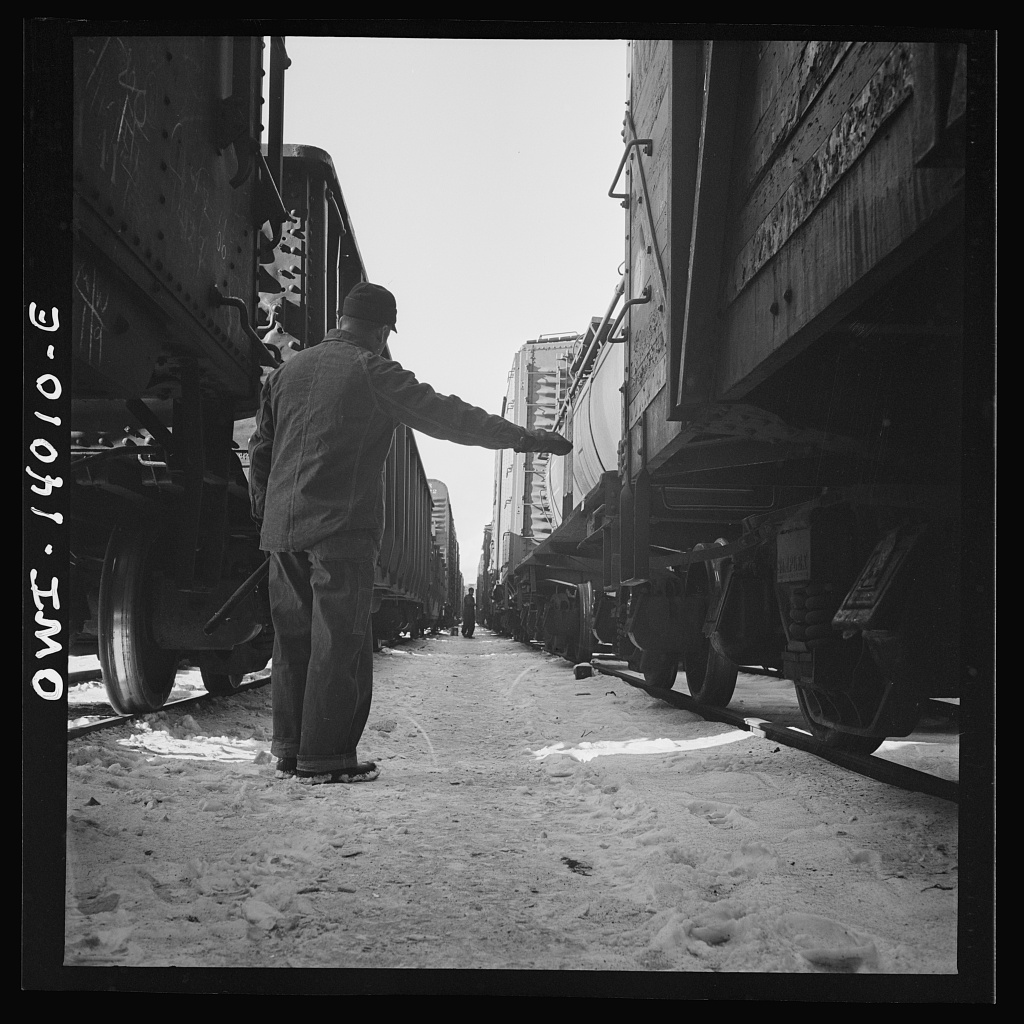
Before Depression freights filled the newsreels, American and British stages already traded in a comic “tramp”: baggy clothes, cane, pathos mixed with slapstick. Charlie Chaplin’s Little Tramp—shaped at Keystone in 1914 and deepened in Essanay’s The Tramp (1915)—became the most famous face of that tradition. Chaplin himself described the figure as many-sided: “a tramp, a gentleman, a poet, a dreamer,” hopeful of romance, not above picking up cigarette butts. Music-hall tramp comedians and childhood encounters with real tramps fed the costume; the derby, cane, and oversized boots were Chaplin’s synthesis.
Hold the word carefully. Chaplin’s character is a stage-and-screen tramp archetype—sympathetic, mobile, often out of work by gag logic—not a documented seasonal wage-seeker of the kind the Hobo, tramp, and bum room separates from the tramp who travels without seeking work or the bum who does neither. Audiences blurred the labels; this museum does not. The Little Tramp taught the world a silhouette. He did not census the harvest circuits.
Depression Youth: Wild Boys of the Road
William A. Wellman’s Wild Boys of the Road (Warner Bros., 1933) put high-school boys on freights at the depth of the Depression. Eddie and Tommy leave home so as not to burden jobless parents, ride, fight railroad police, and learn how dangerous the romance looks up close—one boy loses a leg under the wheels. Library of Congress National Film Preservation Board essayists call it among the era’s most unsparing youth-on-the-road pictures: jungle raids, scrap-metal camps, and riding sequences shot with newsreel bluntness rather than escape comedy. Pair it with this museum’s Depression and Boxcar kids rooms. PBS’s later documentary Riding the Rails even notes that the film failed to scare every teenager away—one interviewee said seeing it helped push him onto the rails.
Satire and the Myth: Sullivan’s Travels
Preston Sturges’s Sullivan’s Travels (1941) is a film about filmmaking’s bad conscience. Director John L. Sullivan (Joel McCrea), tired of light comedies, dresses as a hobo to research a social-problem epic he wants to call O Brother, Where Art Thou? Studio handlers, a press caravan, and a beautiful companion (“The Girl,” Veronica Lake) keep sabotaging the pose—until real trouble (amnesia, a chain gang) teaches him that laughter may serve the poor better than grim sermonizing. The National Film Registry essay and studio histories treat it as Sturges’s most ambitious statement: Hollywood staging poverty, then arguing about whether the staging helps. Use it to teach genre. Do not treat Sullivan’s wardrobe as fieldwork.
1970s Freights Return to the Screen
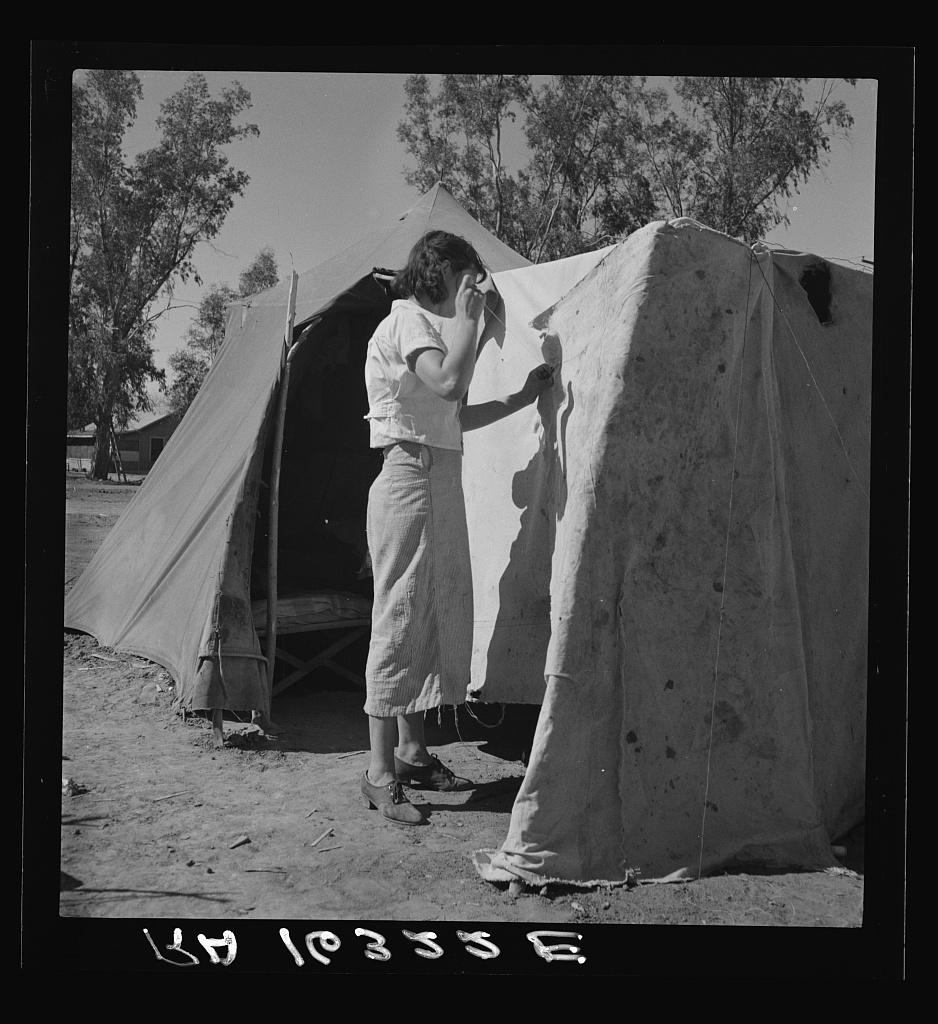
After cars and motorcycles owned the road-movie 1960s, early-1970s Hollywood circled back to Depression freights. Robert Aldrich’s Emperor of the North (1973; also released as Emperor of the North Pole) pits rider against railroad muscle: Lee Marvin as the seasoned hobo A-No.-1, Ernest Borgnine as Shack, a brutal conductor determined that no stiff rides his train. The contest is pulp and myth—jungle codes, monikers, a fight for the right to ride—but it put bull and brakeman antagonism back in front of mainstream audiences.
Hal Ashby’s Bound for Glory (1976), with David Carradine as Woody Guthrie, adapts Guthrie’s autobiography into Dust Bowl roads, migrant camps, and freight sequences; Haskell Wexler’s cinematography won an Academy Award. Martin Scorsese’s Boxcar Bertha (1972), drawn from Ben Reitman’s composite “autobiography” of Boxcar Bertha Thompson, mixes union struggle, outlaws, and rails—useful as 1970s projection, not as a clean primary source (this museum already flags Bertha’s composite status elsewhere). Together the cluster shows how a recession-era New Hollywood reused the 1930s as allegory.
Derelicts, Documentaries, and Blurred Labels
Héctor Babenco’s Ironweed (1987), from William Kennedy’s Pulitzer novel, follows Francis Phelan (Jack Nicholson) and Helen Archer (Meryl Streep) through Depression-era Albany among missions, gin mills, and a Hooverville “jungletown” that vigilantes burn. AFI’s synopsis even calls Francis a middle-aged hobo; the film’s texture is closer to urban alcoholism and guilt than to harvest-circuit riding. That blur is the pedagogical point: Hollywood and literary awards often fold bum, tramp, and hobo into one ragged silhouette. Keep the distinctions room open while you watch.
Michael Uys and Lexy Lovell’s documentary Riding the Rails (1997)—later an American Experience staple—interviews people who rode freights as teenagers in the 1930s. It estimates hundreds of thousands of youth on the move and lets survivors describe hunger, danger, and chosen kinship in their own voices. Where Wellman’s 1933 fiction warned, the documentary listens. It is the shelf closest to evidence in this chapter’s stack.
The Modern Drifter: Jack Reacher
Lee Child’s Jack Reacher novels begin with Killing Floor (1997): a former military policeman who travels light, no permanent address, walking into trouble in small towns. Tom Cruise played him in two feature films (2012, 2016); Amazon Prime Video’s Reacher (2022–), with Alan Ritchson, adapted the books for streaming. The character matters here because he claims the old word on purpose—on the page and on screen.
The claim is verifiable. In Killing Floor, detective Finlay treats the stranger with no ID as a vagrant. Reacher answers: “I’m not a vagrant, Finlay… I’m a hobo. Big difference.” Amazon’s series carries the same distinction to the screen. Reacher hears “vagrant” as idle or criminal wandering and “hobo” as a traveler who moves and works—echoing, in pulp shorthand, the hobo, tramp, and bum distinction.
Reacher is not a harvest hand or a Tourist Union delegate. He is a knight-errant fantasy in jeans who borrows the hobo label for dignity and mobility. That borrowing proves how sticky the screen vocabulary remains—and why distinctions still matter when a bestseller puts them in a detective’s mouth.
Projections and the Rooms Behind Them
From Chaplin’s derby to Reacher’s one-liner, screens taught audiences to see a lone figure against steel and sky. Sometimes the figure worked; sometimes he begged; sometimes he was a teenager fleeing a broke kitchen; sometimes he was a director in costume; sometimes he was an ex-MP who sleeps in motels and calls himself a hobo. The Hobo, tramp, and bum room exists so those screens do not flatten the archive. Origins, Work circuits, Depression, Boxcar kids, Music and literature, and Britt’s living festival supply the verified labor, danger, song, and ritual that film stylizes. Use the movies to open curiosity. Then walk back to FSA stills, PD memoirs, and oral history for the shelf labeled evidence.
That closes Culture and Code. The next wing turns from song and screen to hard times and organizing: the Great Depression, the IWW on the rails, and Hobo College.
See Sources for works and archives cited in this room.