
Night, a westbound overland, a young rider on the blind baggage. Empty stomach. Snow-sheds ahead. Jack London later wrote the hesitation into literature—but thousands of unnamed riders felt the same physics of steel and cold.
Labels sorted people. Practice kept them alive—or failed to. This chapter follows the freight world of roughly the 1880s through the 1930s as memoir, photograph, and railroad statistics record it: cars and camps, bulls and shacks, hunger and official death counts. It describes that history without teaching anyone how to re-enter it. For today’s law and risk, see Then and now.
The Freight-Car World
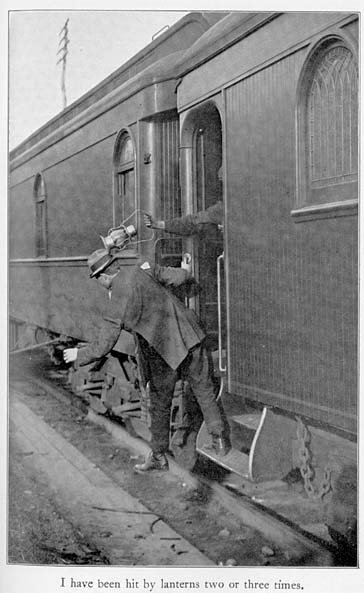
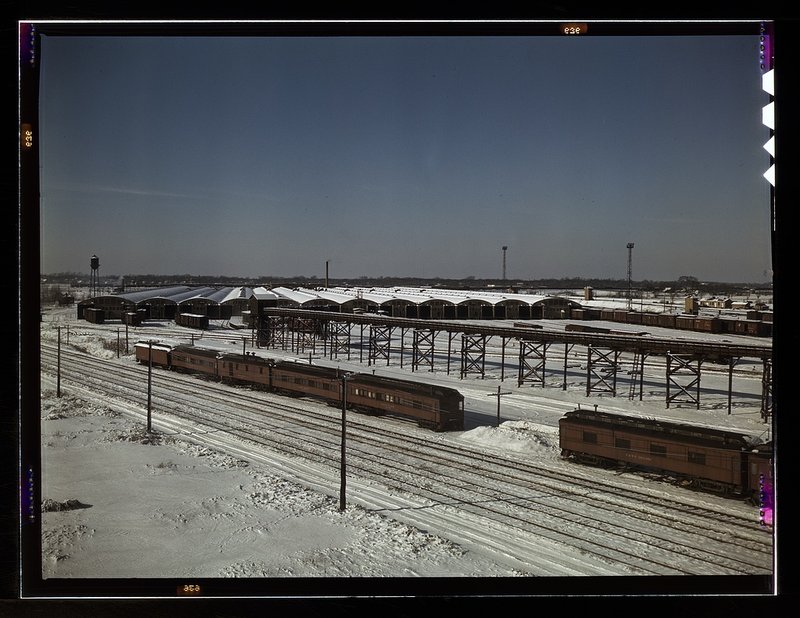
From the late nineteenth century into the Depression, migratory workers moved on the same cars that moved grain, lumber, meat, and coal. Empty boxcars—joked about as side-door Pullmans—sheltered riders from weather when doors could be worked open. Open gondolas and flatcars offered space and exposure. Refrigerator cars (“reefers”) drew riders who wanted cold storage space or ice bunkers—and sometimes trapped people who could not get out. Glossary terms for the most dangerous berths, riding the rods and riding the blinds, name places London and others described as historical practice: the truss rods under older cars, inches above the ties, and the closed front end of a baggage car behind the engine where trainmen could not easily walk through. Steel cars and faster schedules made those berths rarer and deadlier by the 1920s. This museum names the vocabulary (see also Language and slang); it does not teach technique.
Bulls, Brakemen, and the “Fare”
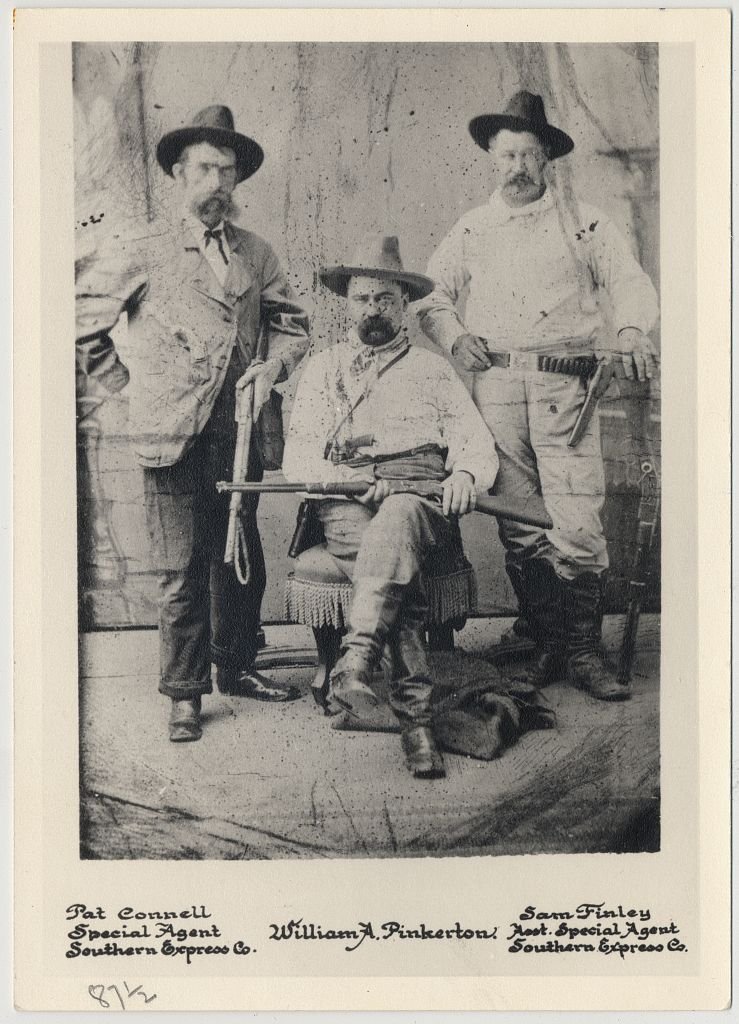
Railroad police and special agents—bulls—cleared yards and freights. The Pinkerton tradition of railroad detective work fed the occupation’s hard reputation. Some names became jungle folklore. Jack London, writing of Union Pacific Cheyenne as a nationally “horstile” town, blamed “one Jeff Carr (if I remember his name aright)” who sized up a hobo and struck without discussion; man-handled riders carried the warning across the continent. T. Jeff Carr is a documented Cheyenne lawman—Laramie County sheriff, city chief of police, U.S. marshal—whose reputation as a yard terror appears in London, in Jack Black’s later memoir, and in Clark C. Spence’s synthesis of western tramp history. Treat jungle dread as reputation layered on a real officer, not as a body count this museum can verify.
Brakemen (shacks) stood between riders and the train. Some threw men off; some looked the other way; some exacted a “fare”—cash, tobacco, or labor. Jim Tully, in Beggars of Life (1924), recalled paying that fare “if not to the company, at least to the train crew, by helping unload freight at each station.” The unpaid passenger economy was improvised, local, and often violent.
The Jungle as Community
Trackside camps—jungles—sat near water and junctions. Travelers cooked a shared mulligan from whatever each person contributed, washed, slept, and traded news about jobs and “horstile” towns. Informal rules mattered: leave pots clean, keep fires small, share what you can, do not prey on your own. The despised jungle buzzard sponged or preyed instead of pitching in. Those norms overlap the circulated ethical code treated in Ethical code—mutual aid as survival, not sentiment. Nationally many jungles were mixed; in parts of the Jim Crow South, custom and policing made mixed camps harder and more dangerous (see Black travelers & Jim Crow).
Weather, Hunger, Injuries, Deaths
Cold, heat, and empty stomachs did as much damage as police. London’s “Holding Her Down” chapter admits fear on an all-night outside ride through snow-sheds. W. H. Davies, tramp-poet of The Autobiography of a Super-Tramp (1908), lost his right foot when he fell short of a moving train’s step in Canada—a documented cost already noted among the museum’s notable figures. Falls between cars, crushed limbs, freezing in open cars, and assaults by jack-rollers filled inquests that newspapers often dismissed in a paragraph.
Official tallies were larger still. The Interstate Commerce Commission published railroad casualty series that scholars still use. Economist Ian Savage, reconstructing trespasser fatalities (persons on railroad property other than at grade crossings), notes that around 1905 those deaths numbered on the order of 4,650 in a single year—roughly ten times late-twentieth-century annual counts, in a smaller population. Clark C. Spence, synthesizing period reports of tramp and hobo deaths on the rails, cites about 32,276 killed in the twenty years after 1890. Those figures are not a clean “hobo census”: they mix riders, walkers on the right-of-way, drunks, and other trespassers, and early reporting rules differed from today’s. They are still proof that unauthorized presence on steam-era railroads killed by the thousands every year.
Missions, Flops, and the Main Stem
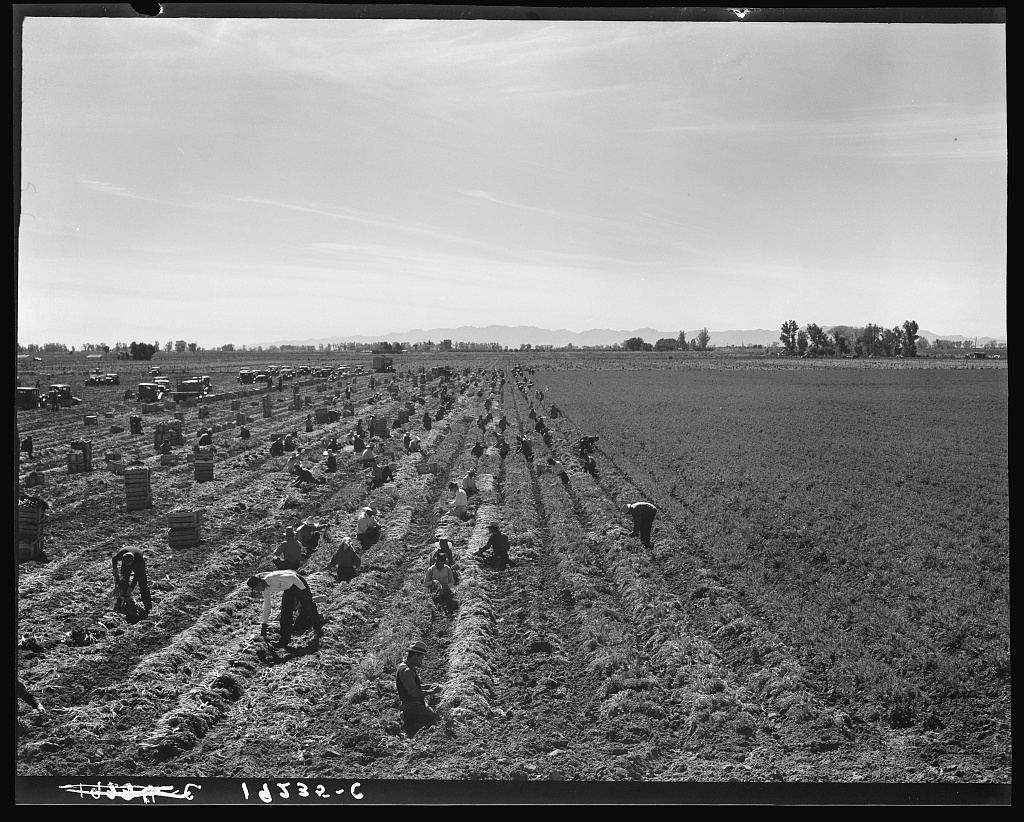
Cities offered another geography. The main stem—West Madison in Chicago was the most famous—lined up employment sharks, saloons, cheap lodging, and missions. A flop was a few cents’ sleep on a cot or floor. Missions traded a meal and a bed for a sermon; riders used them and mocked them in the same breath. Between freights, men washed dishes, cut wood, begged “lumps” at back doors, or waited for the next harvest call—the bridge into Work circuits.
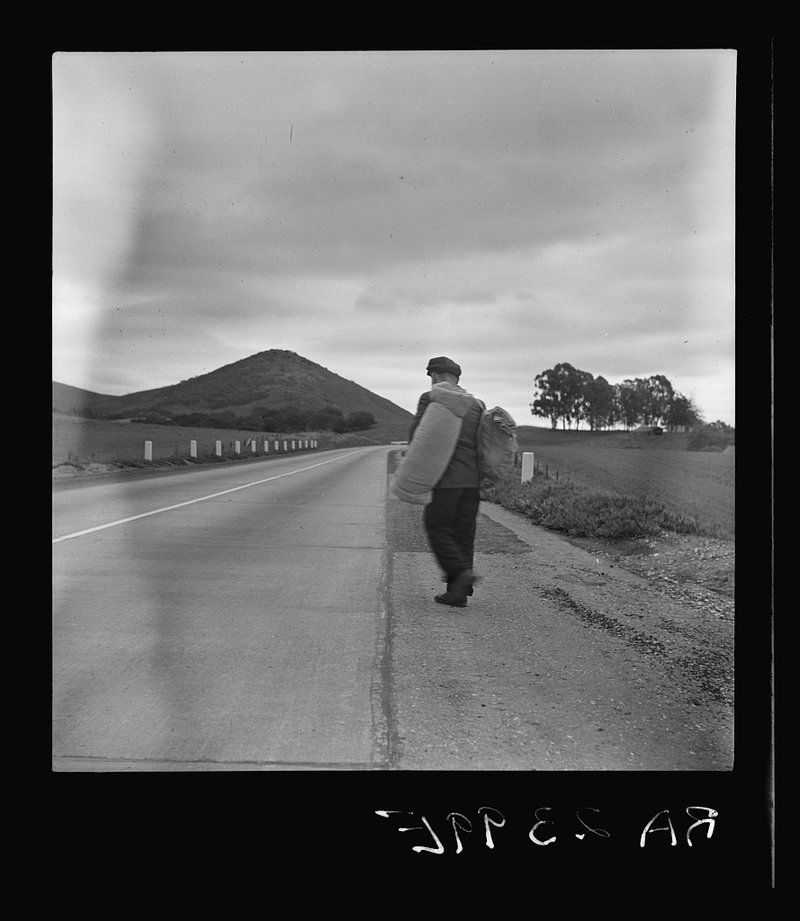
Reading a Town
Riders traded oral tips: which yards were watched, which towns fed, which jails farmed chain gangs. Pictographic “hobo code” charts later claimed a universal chalk language of kindness and danger. Historians and the Historic Graffiti Society urge caution—systematic nationwide pictograph codes are poorly evidenced beside monikers and word of mouth. See Signs and symbols, where this museum labels unsigned charts as folklore unless a mark is documented in place.
Three Memoirs on the Same Physics
Jack London’s The Road (1907) remains the sharpest American literary account of blinds, rods, bulls, and fear—written by a man who had ridden. W. H. Davies’s Super-Tramp (1908) carries the British tramp-poet’s North American years and the amputation that ended his freight days. Jim Tully (1886–1947)—Ohio-born, former chain-factory hand, circus worker, and rider—published Beggars of Life in 1924, a hard-edged autobiographical novel of Midwestern freights, sand-shed jungles, and the “fare” paid to crews. Hollywood filmed a version in 1928; the book’s road voices still sound closer to the yards than to postcard romance. Short quotes from these public-domain texts stand in for a chorus, not a how-to.
The story is not one hero. It is a thousand near-identical nights. The next room asks where those nights were aimed: the harvest belts, timber camps, icehouses, and section gangs that turned freights into an unpaid bus between wages.
See Sources for works and archives cited in this room.